On Business Rules
Slides from a talk I gave to colleagues at Metasite on 10 March 2020. It follows the same line as the earlier talk on business requirements, one step further down: to the rules that get written underneath them.
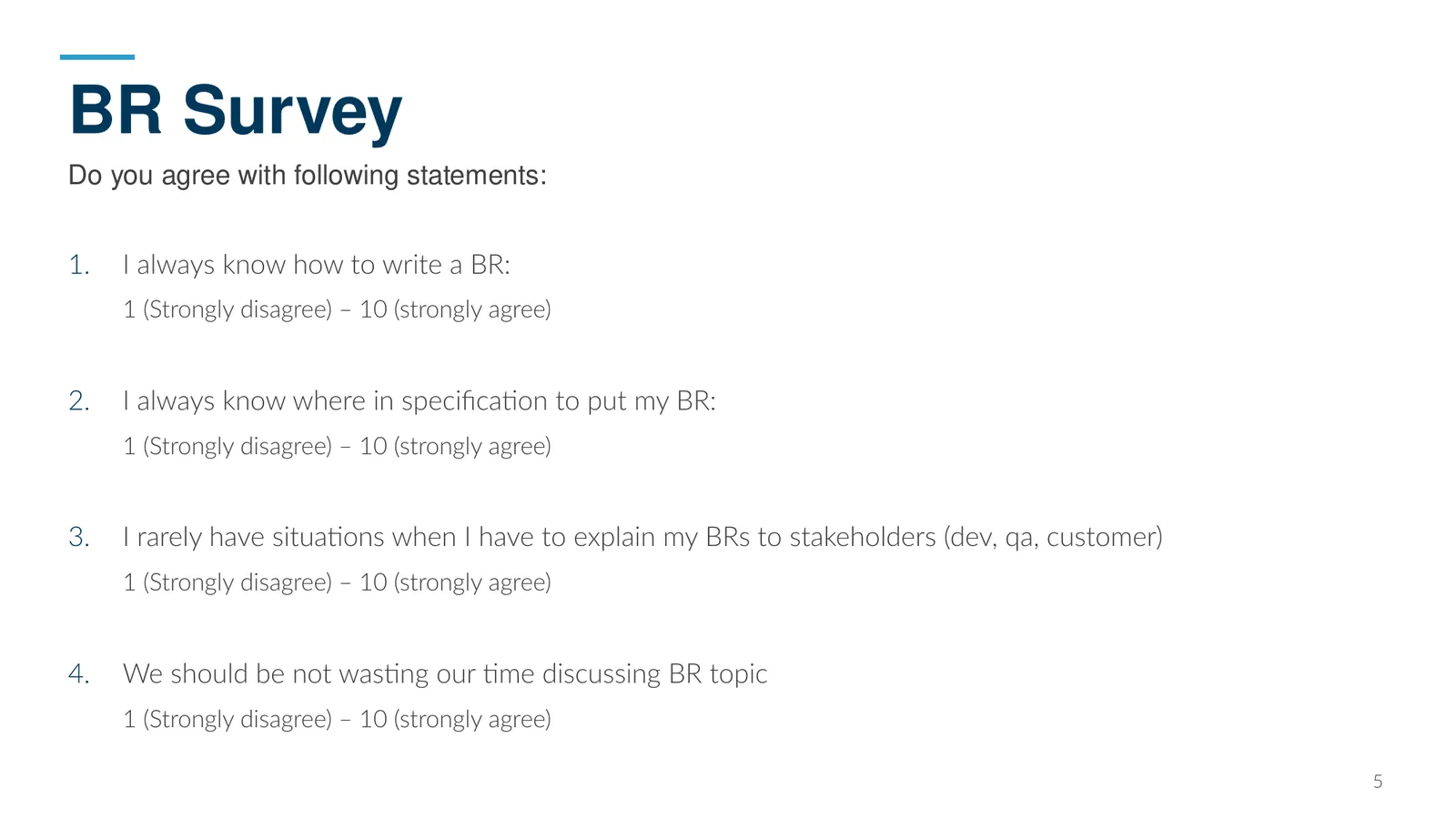
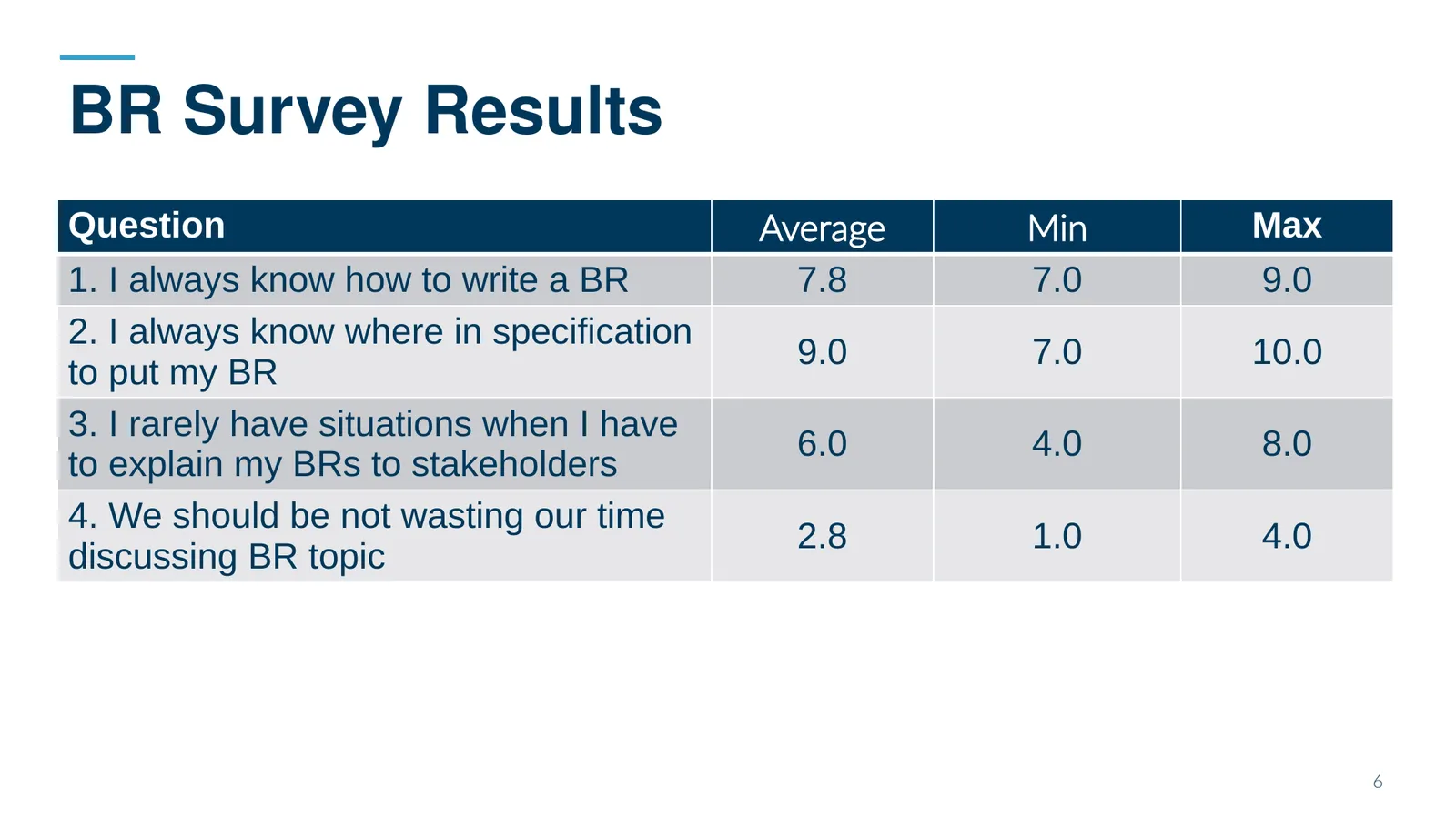
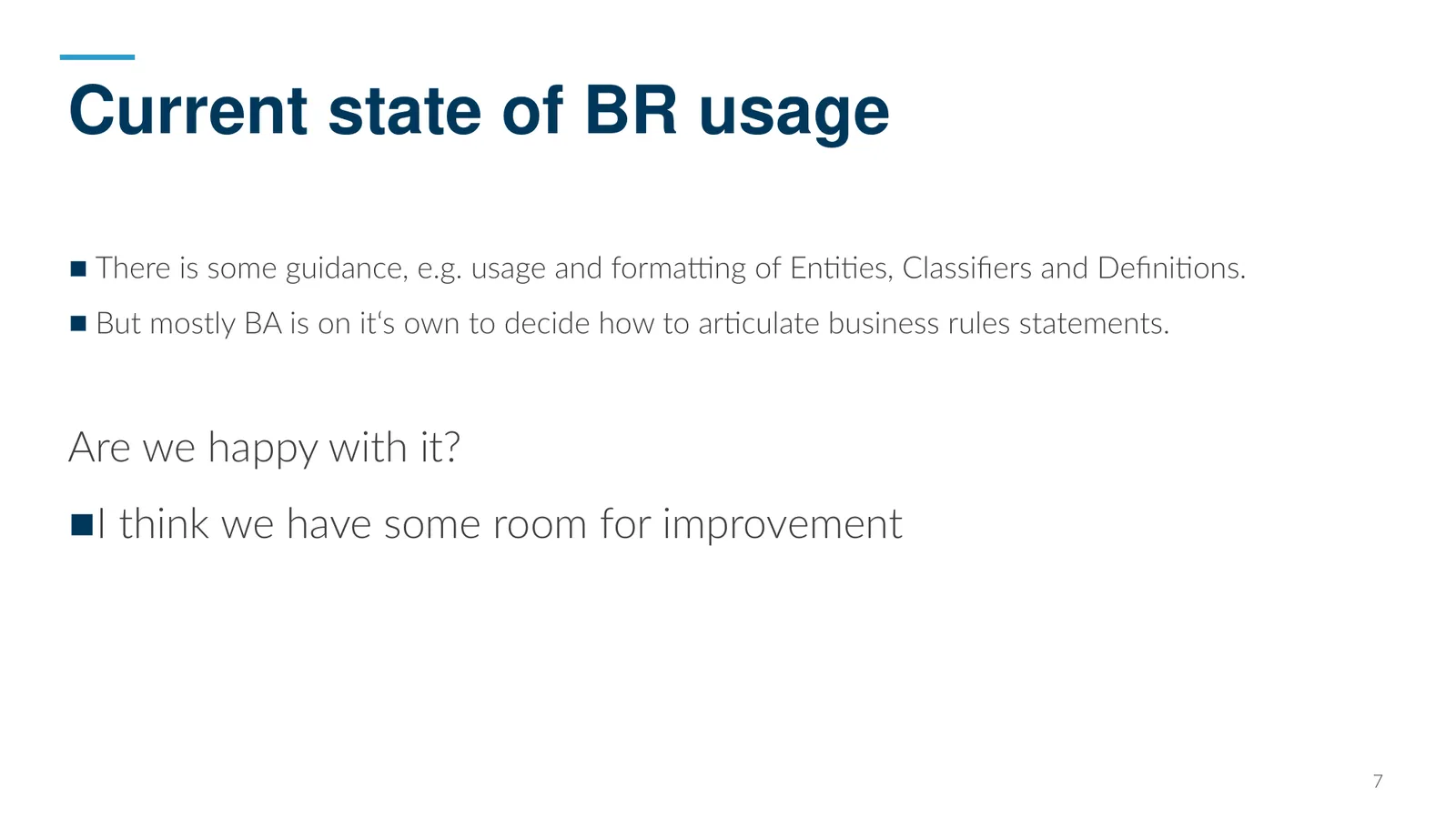
I opened with a survey of the team. Most were confident they could write a rule; far fewer were confident they could explain one to a stakeholder, and almost nobody thought the topic was a waste of time. We had some conventions, but how a rule actually ends up phrased was left to each analyst.
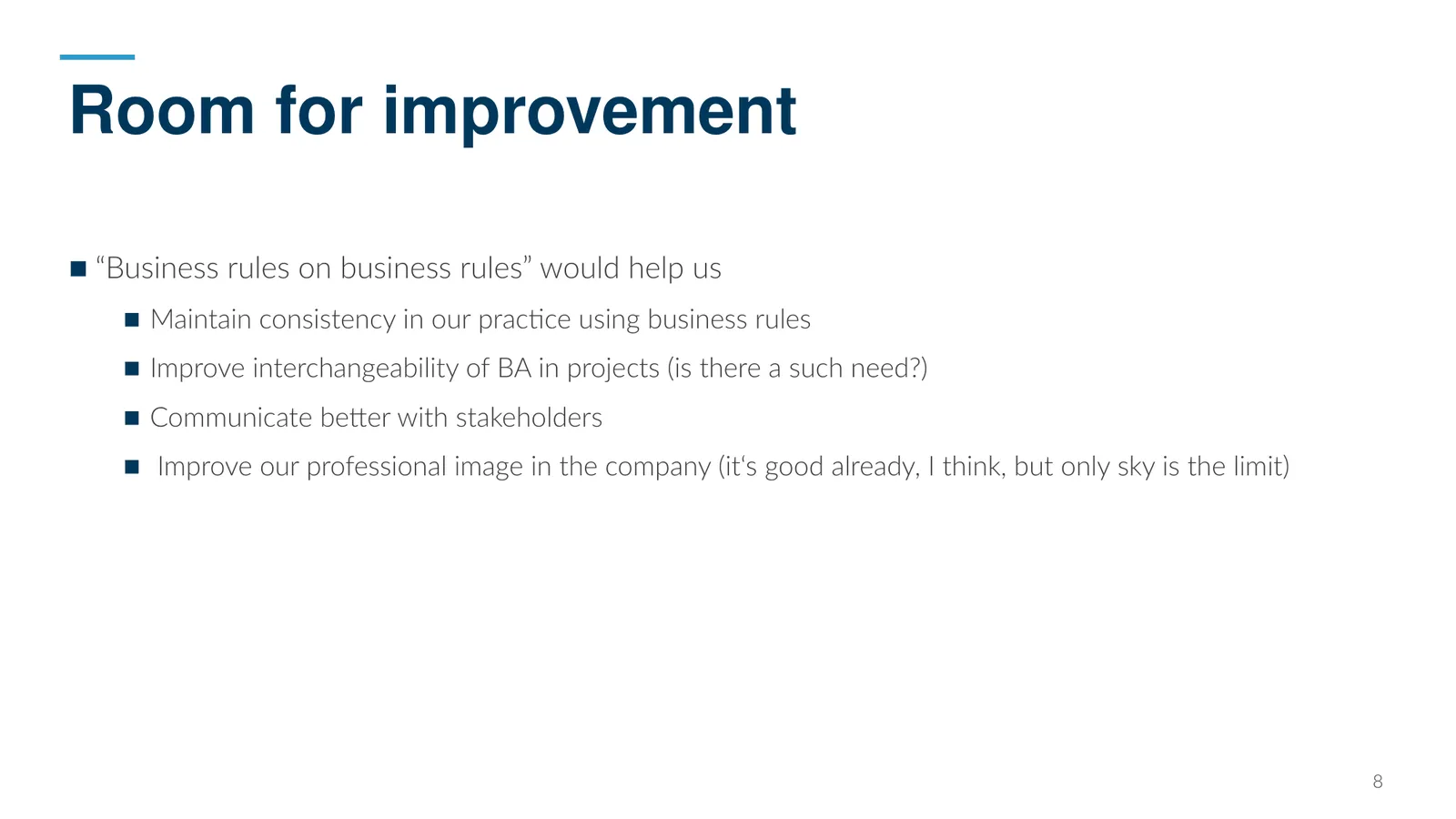
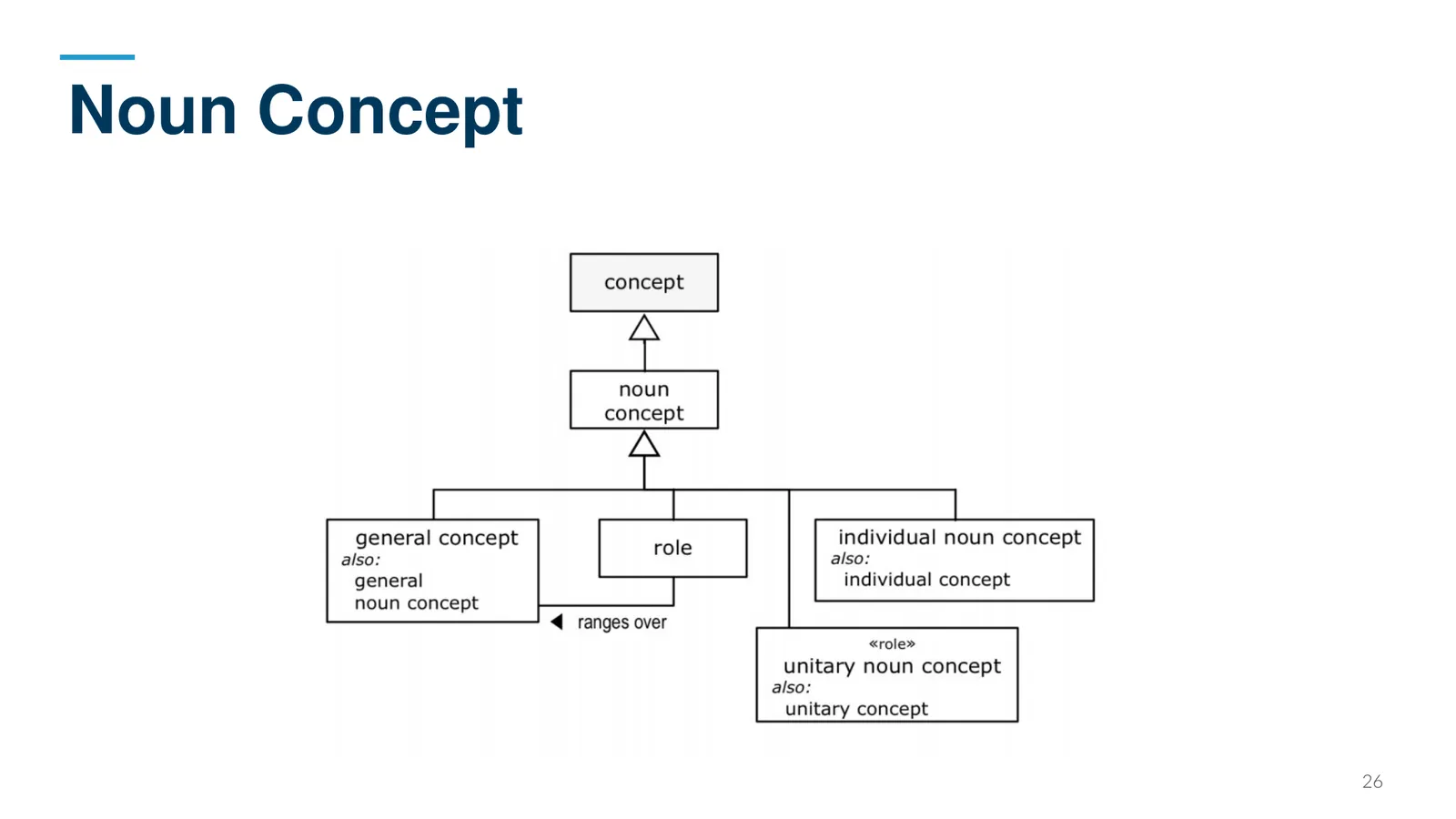
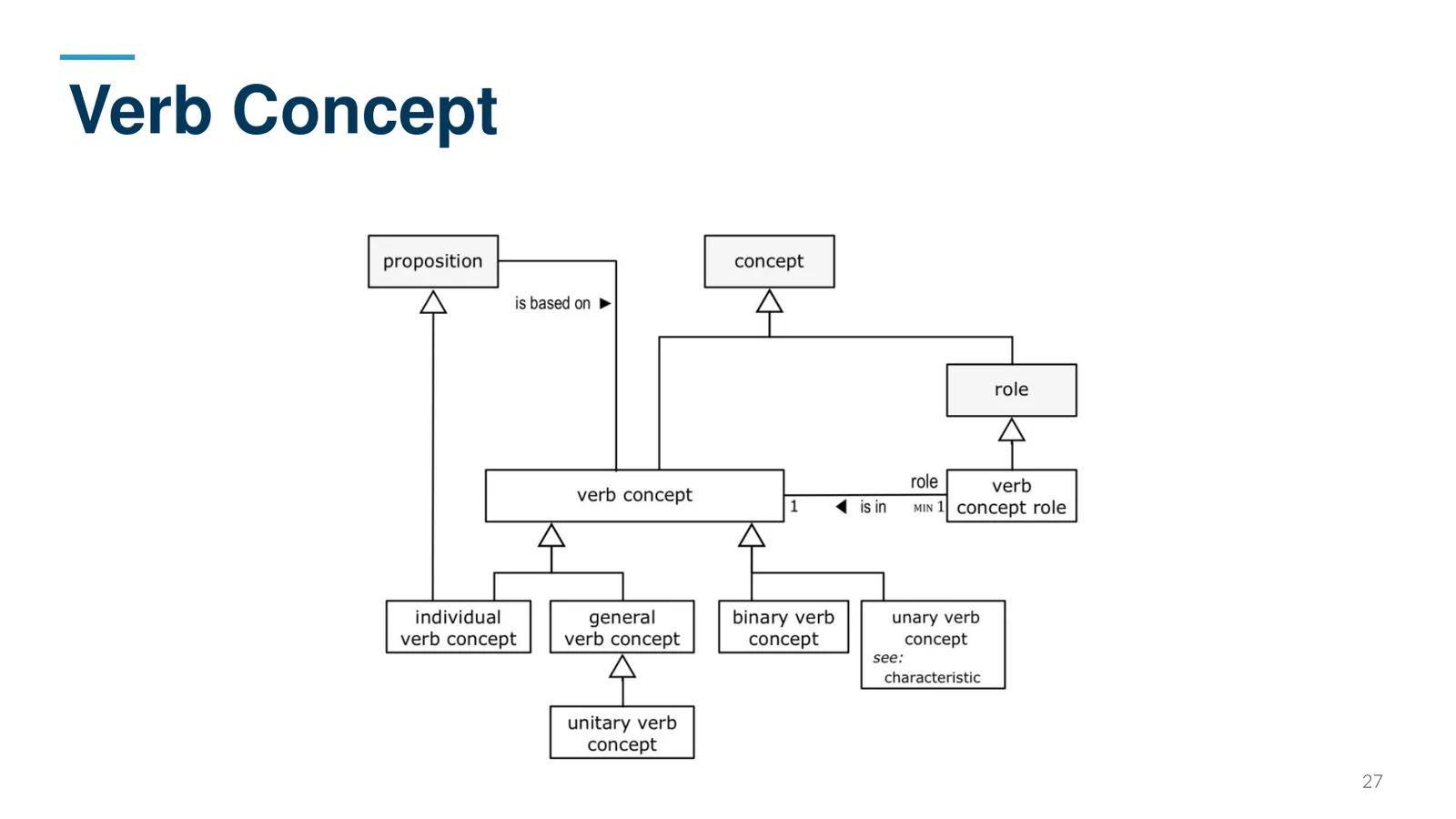
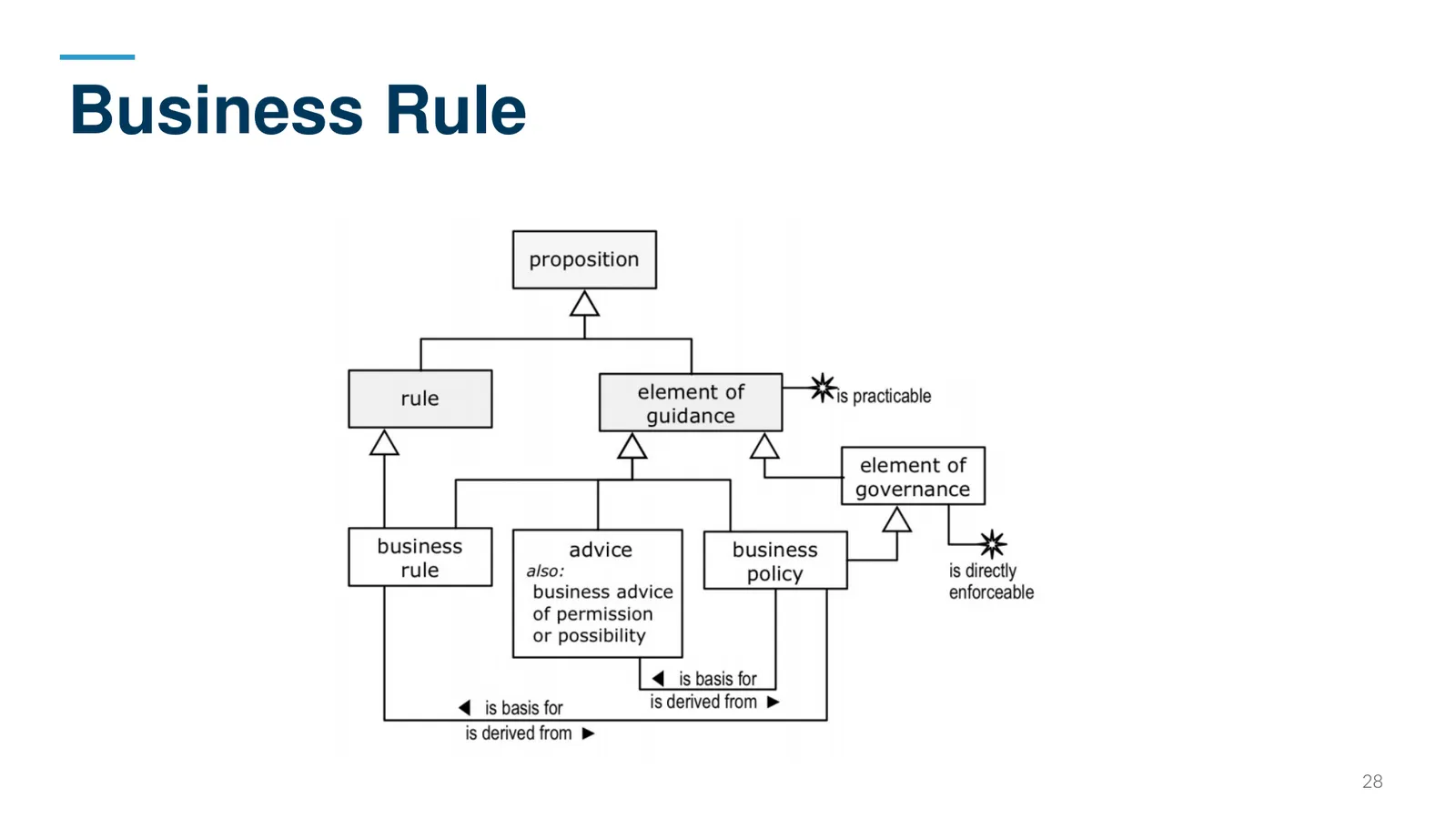
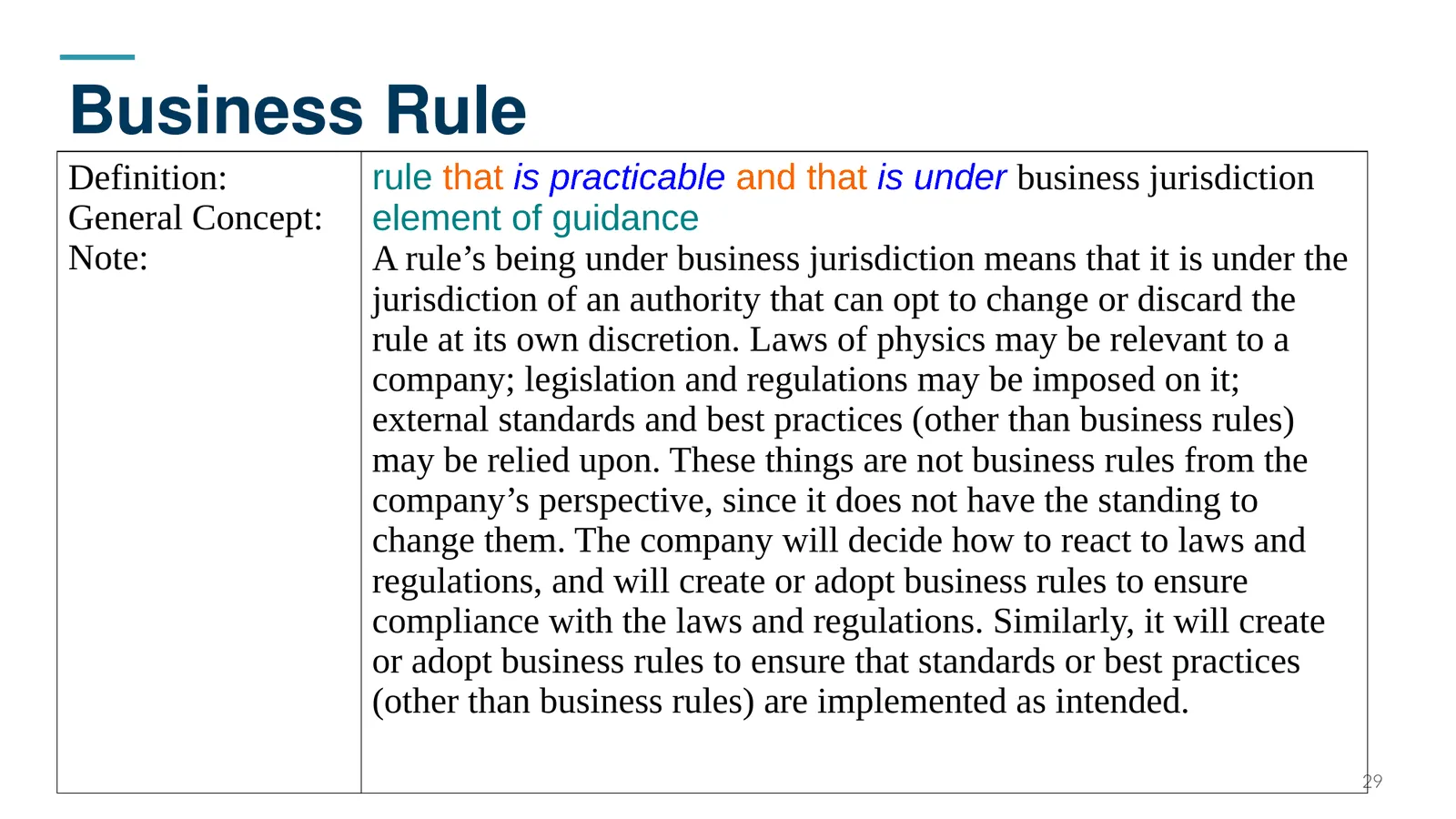
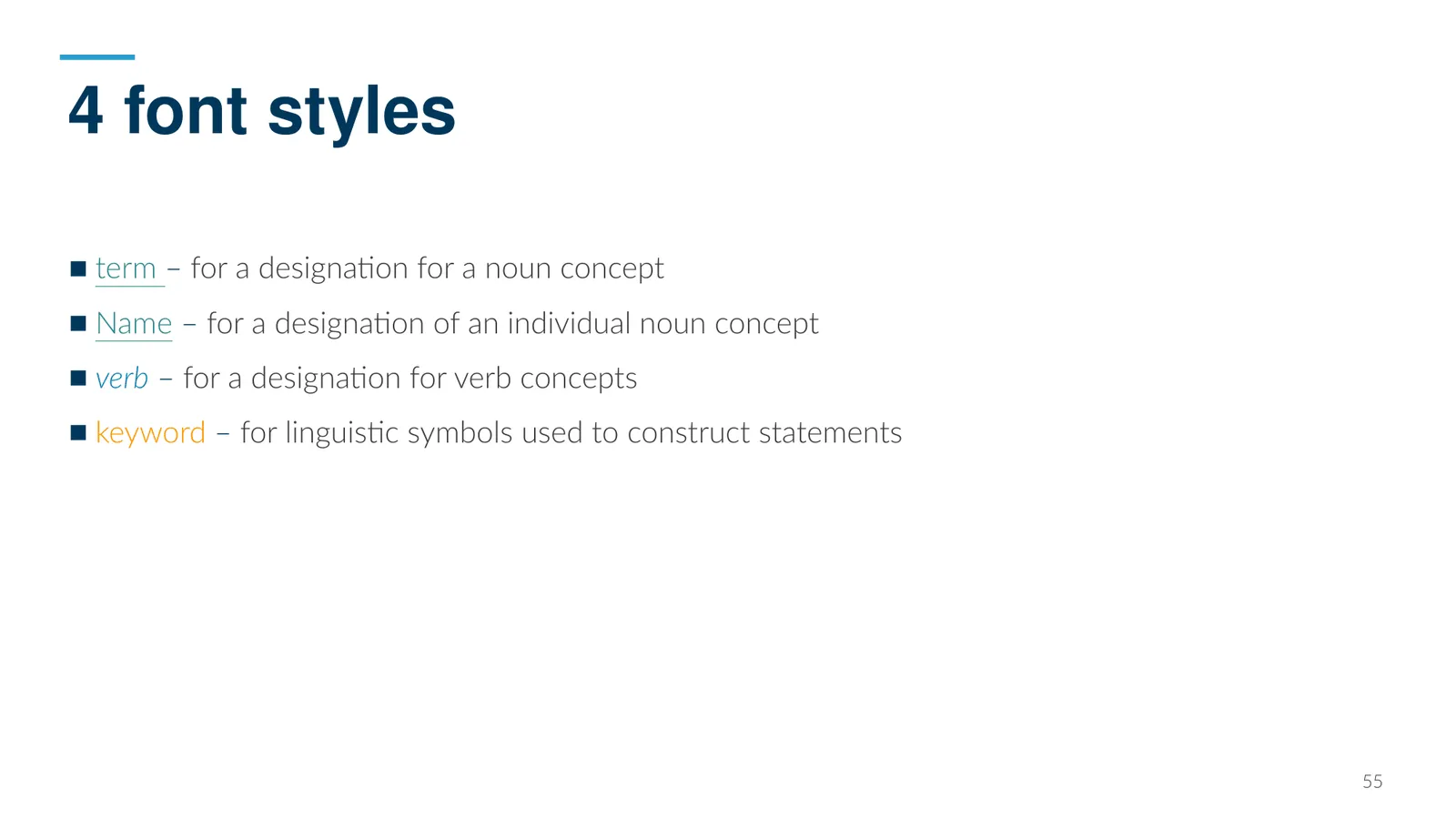
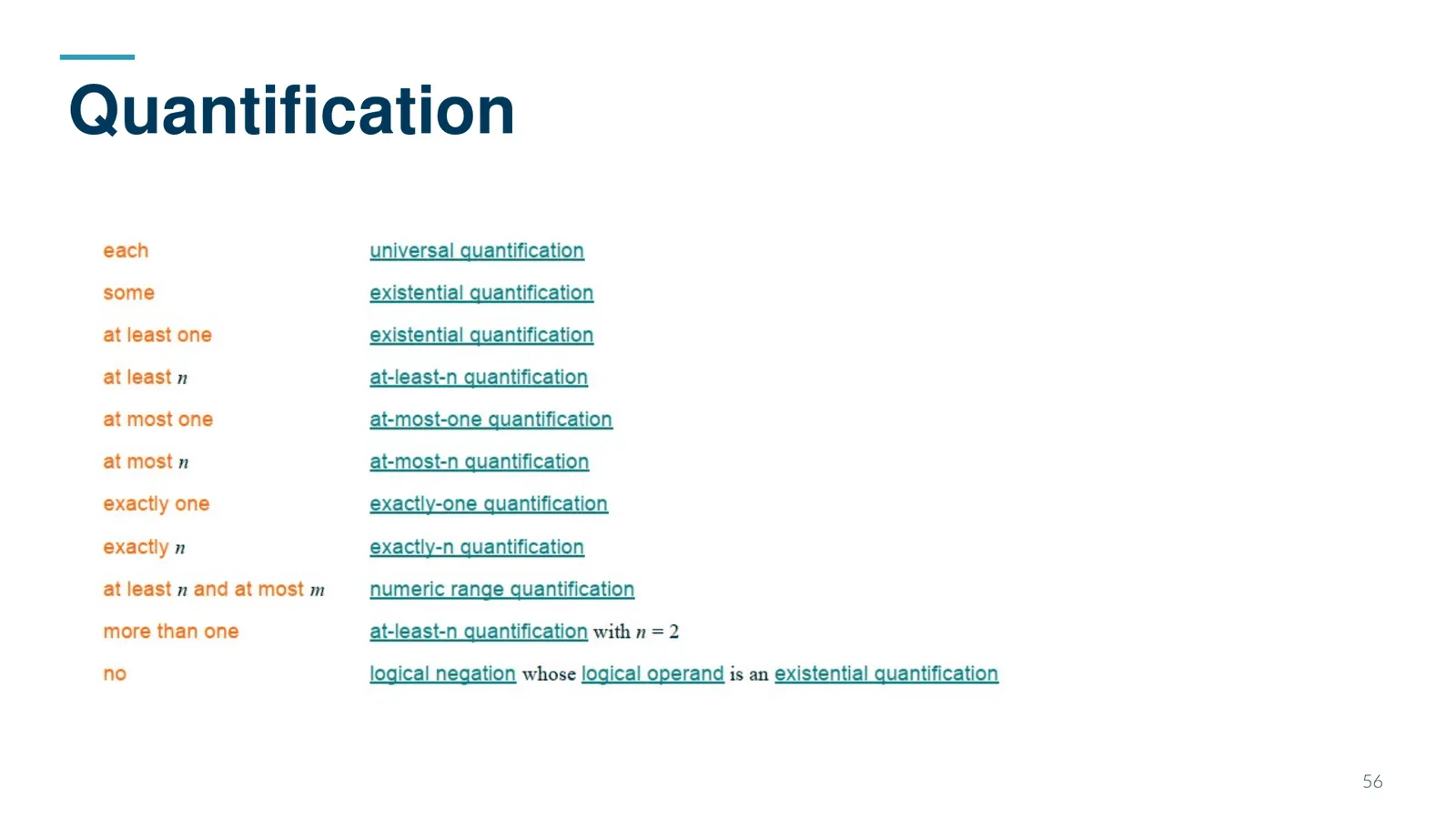
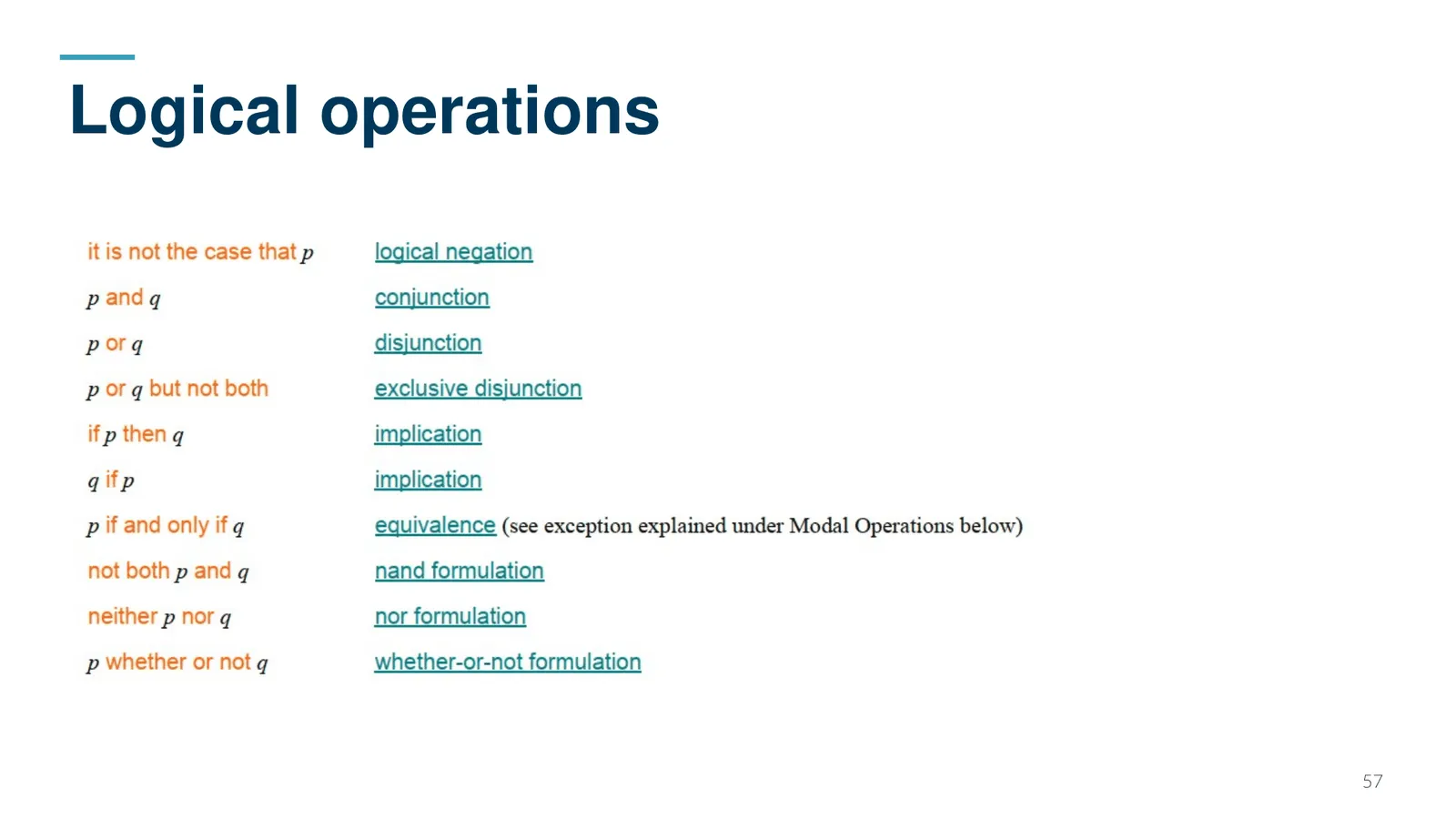
The rest is what the OMG’s SBVR standard has to say about it — where it came from, how it defines a rule, an advice, and the statements that express them, and what SBVR Structured English looks like.
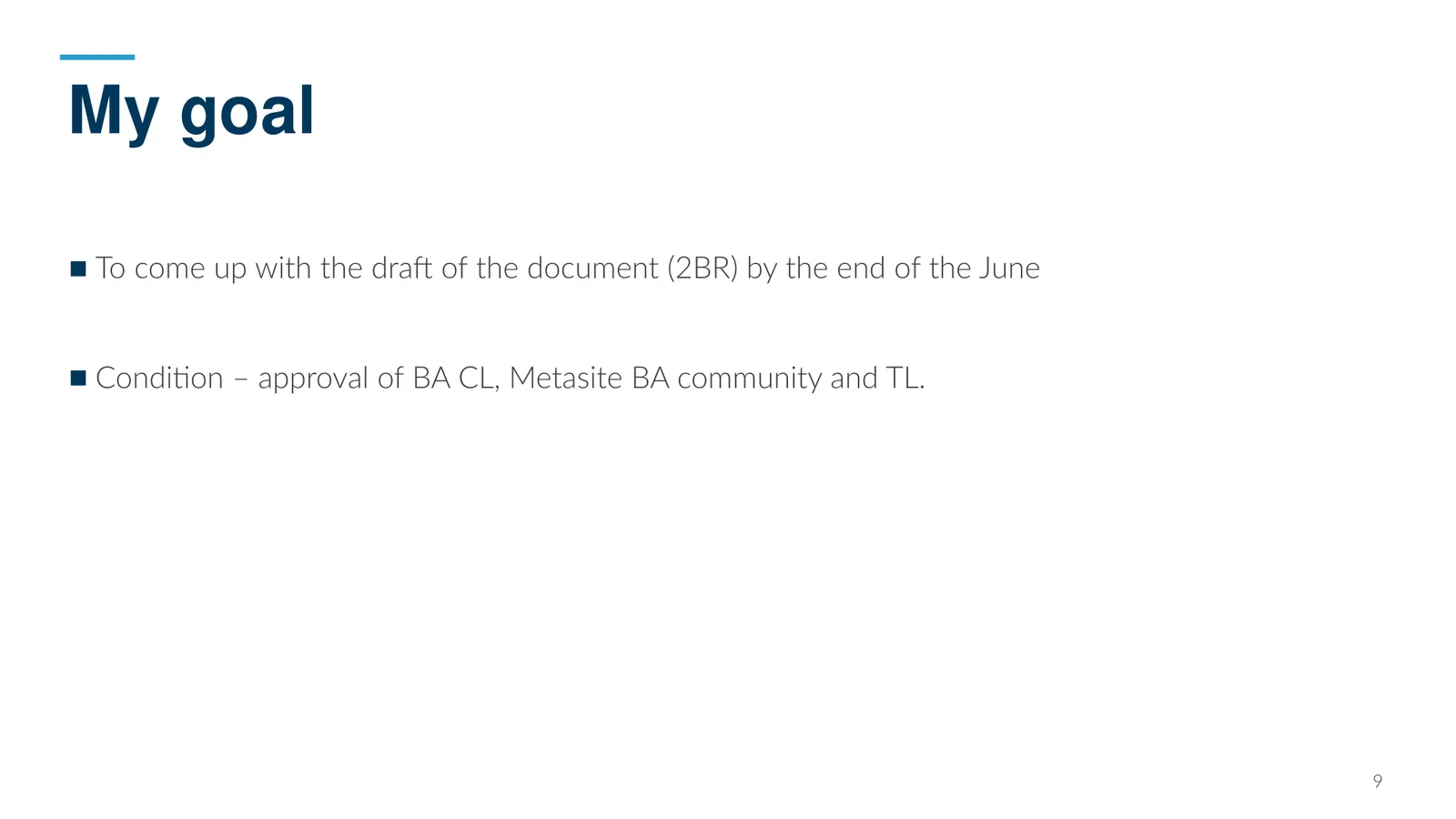
The research was about a third of the way through when I gave the talk, so this is a report on a direction rather than a finished method.
The slides are as they were in 2020 and are not edited. What is printed under them is for the reader: what was said out loud where the slide does not say it, and, where a slide cites a source, a link to the work.
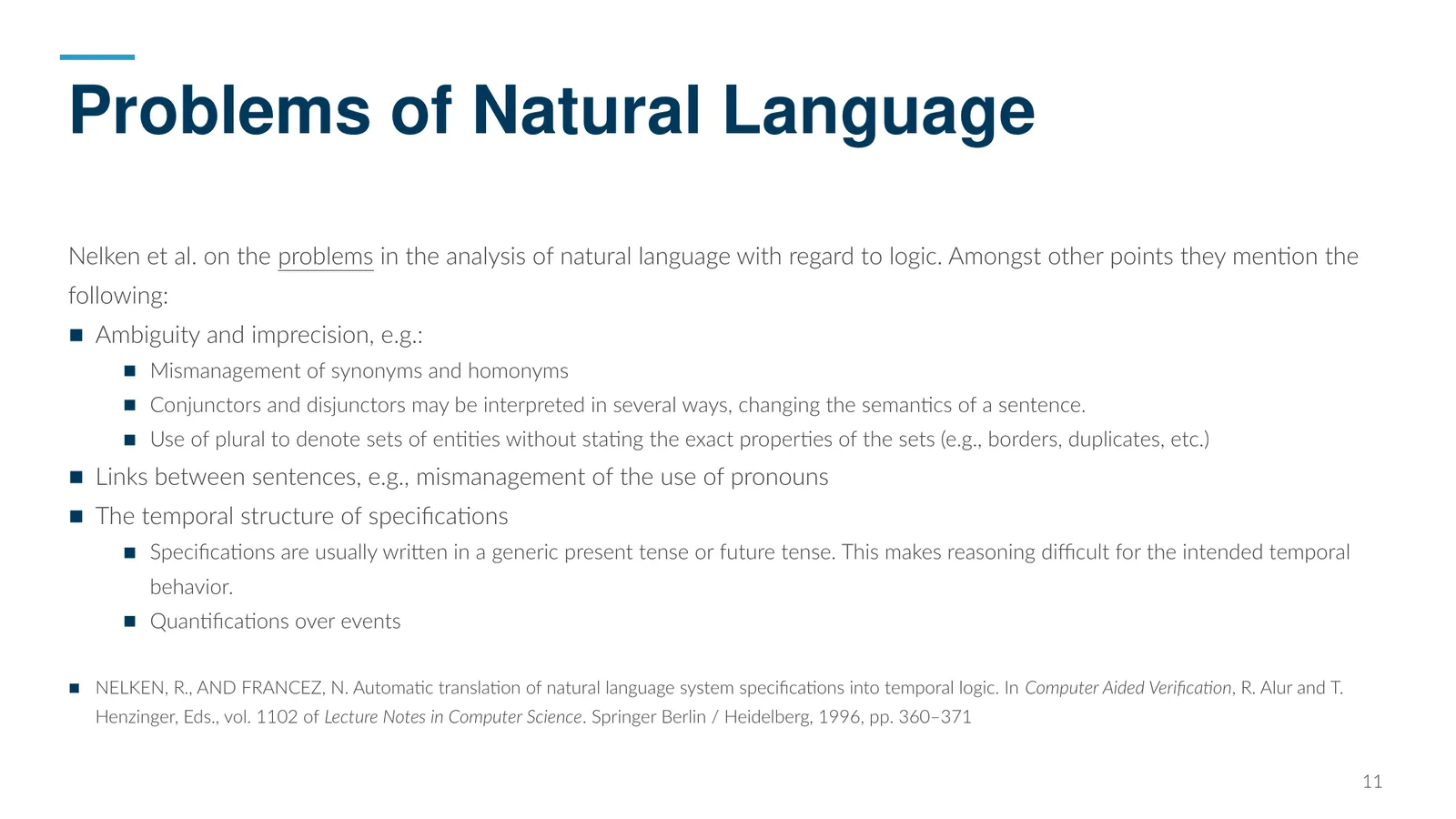
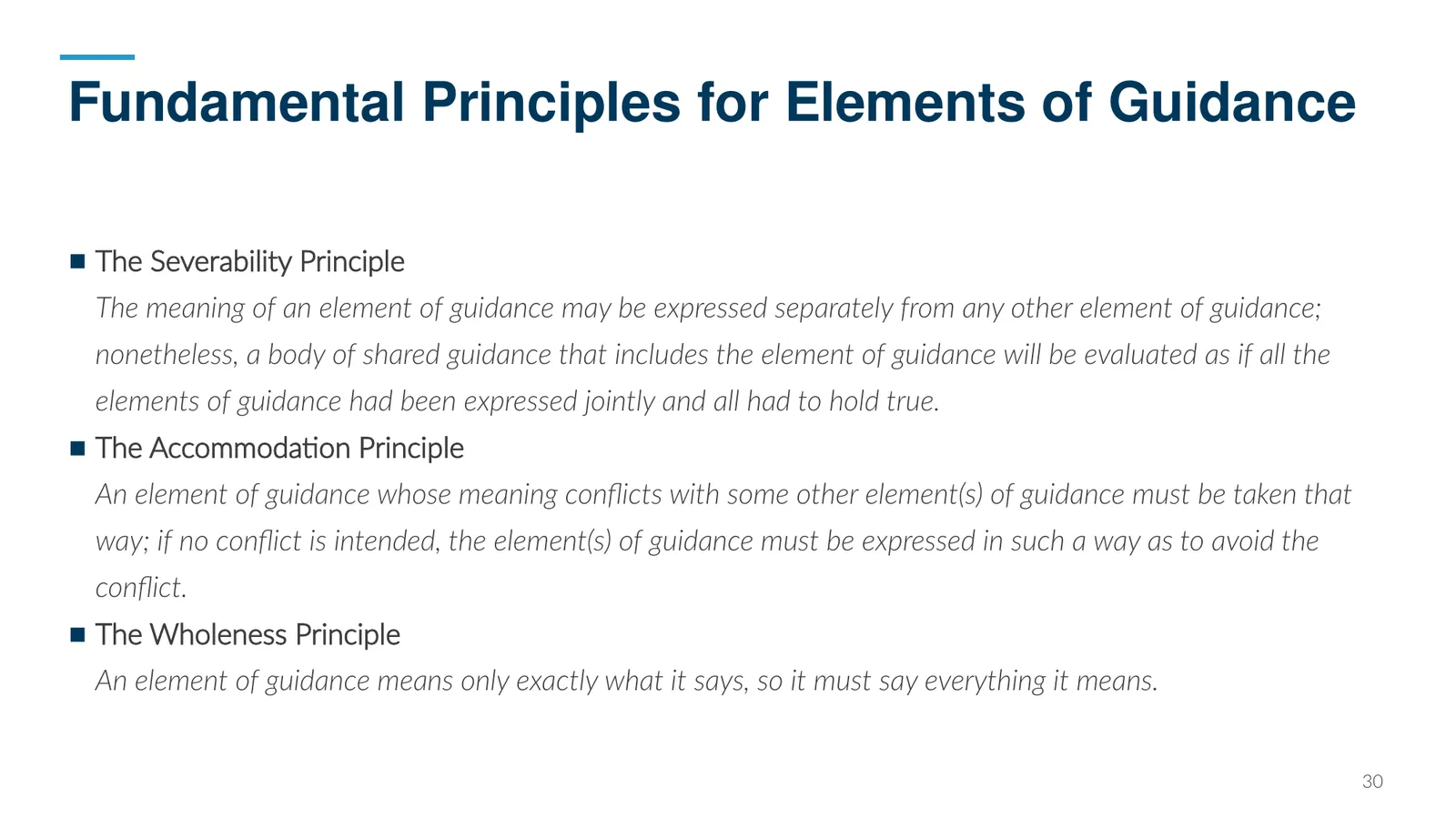
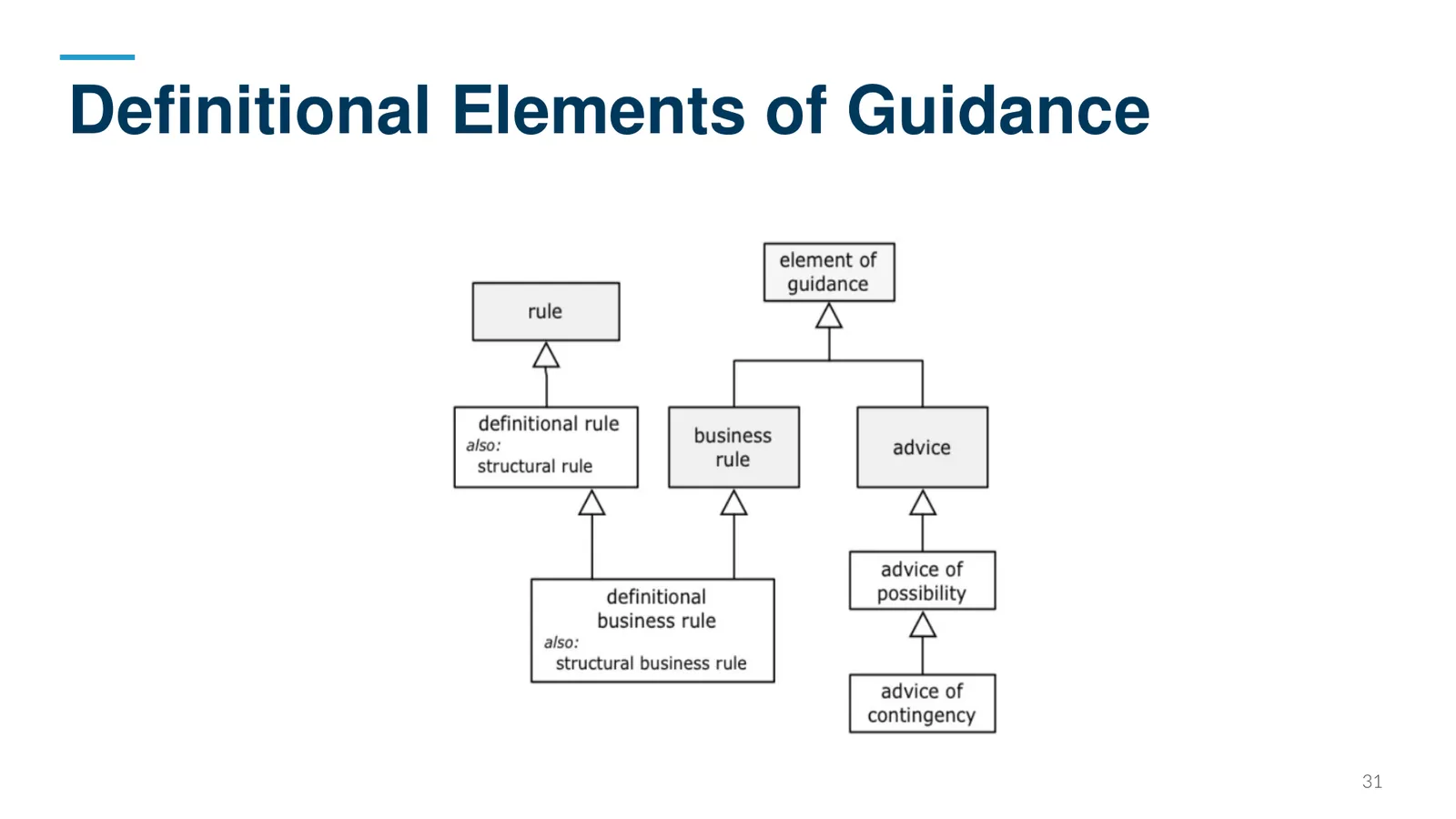
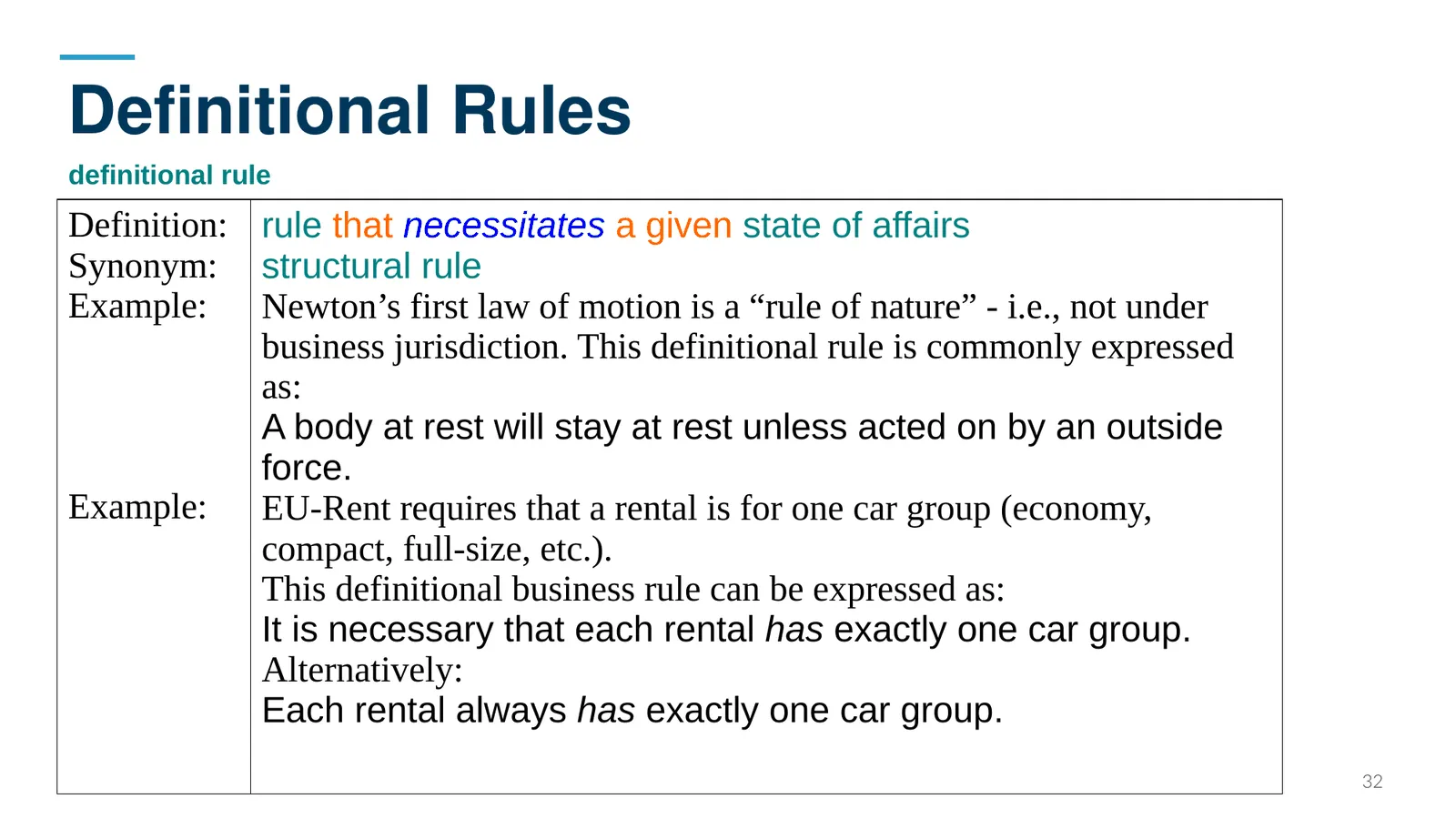
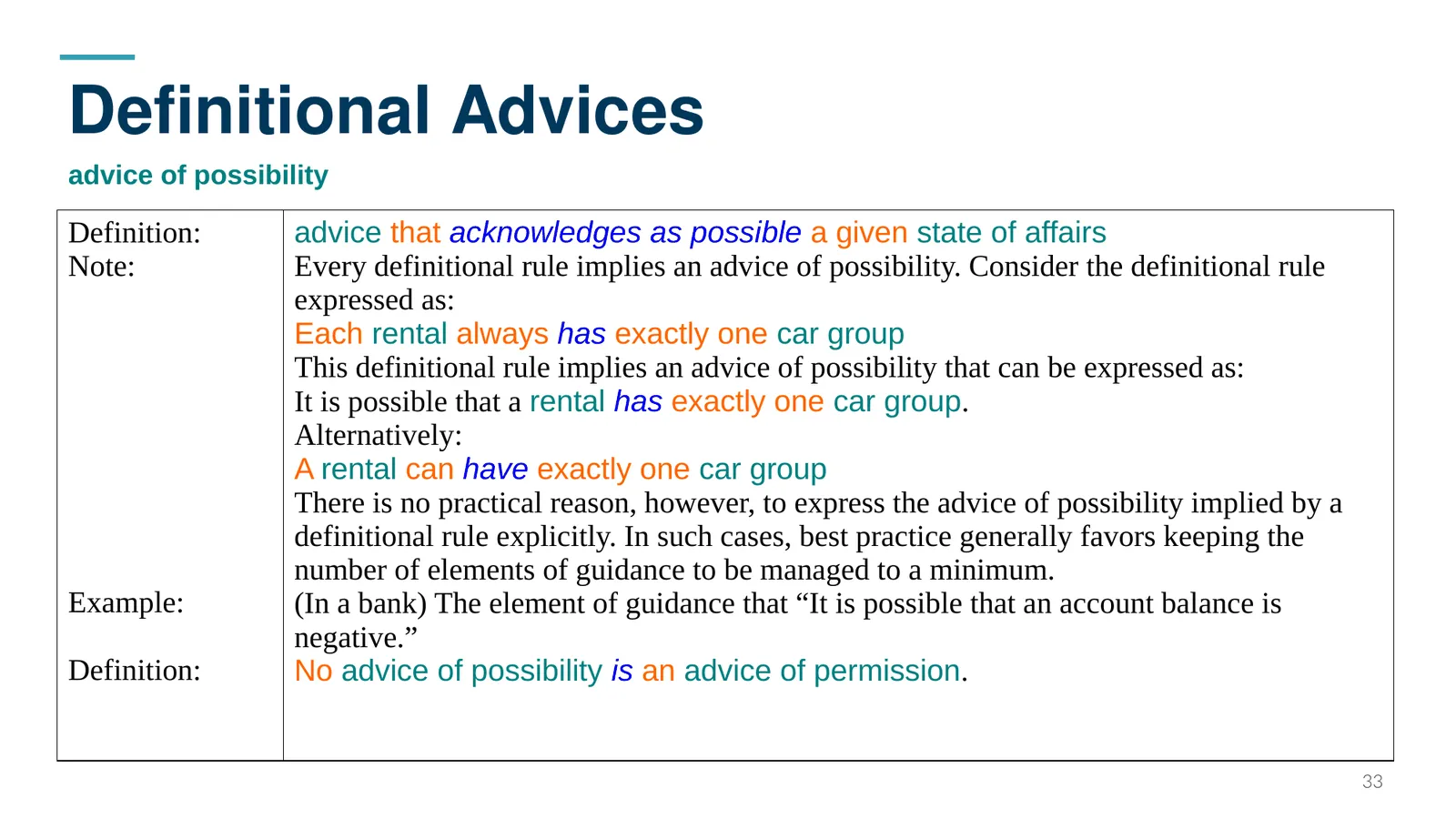
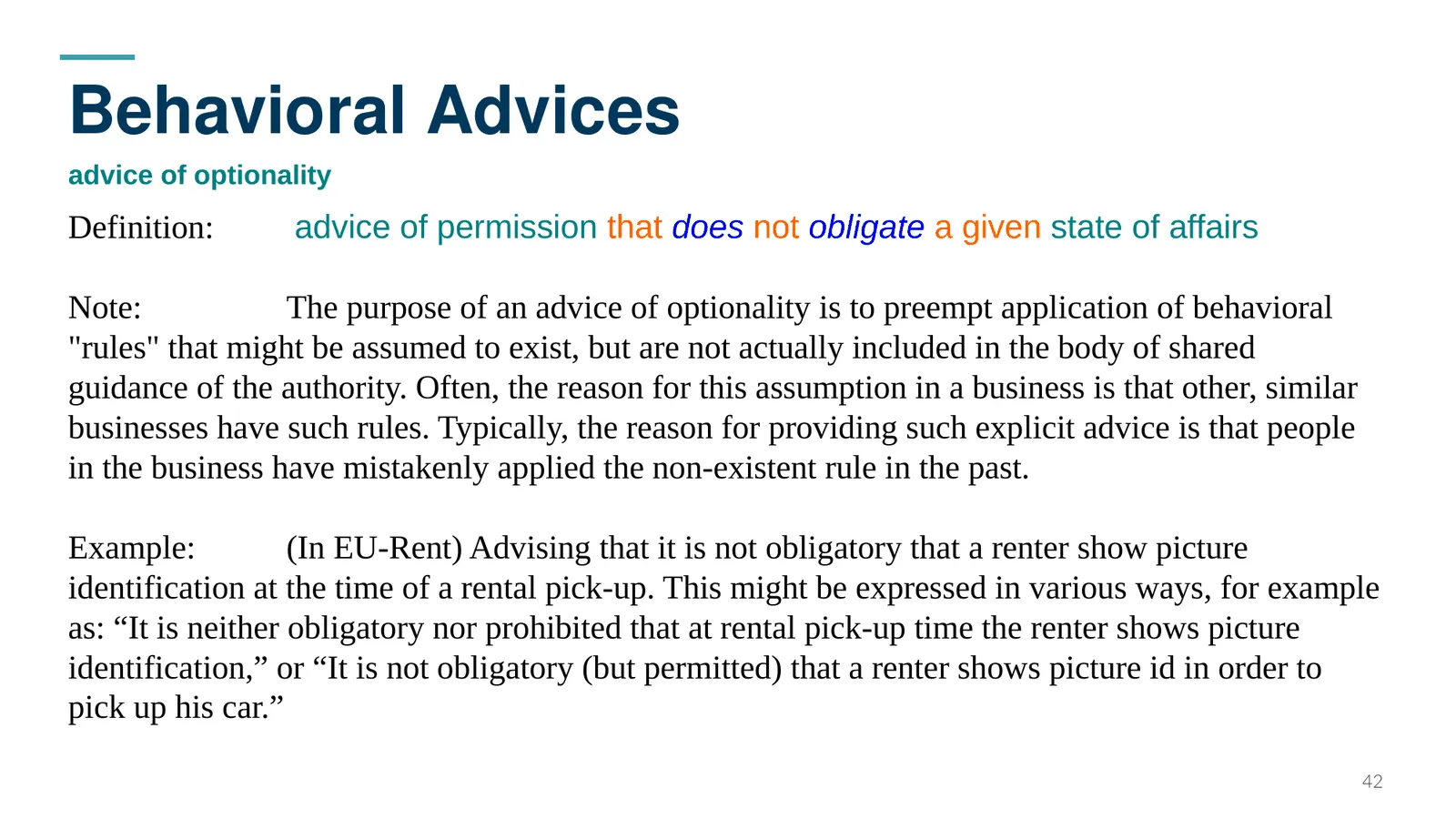
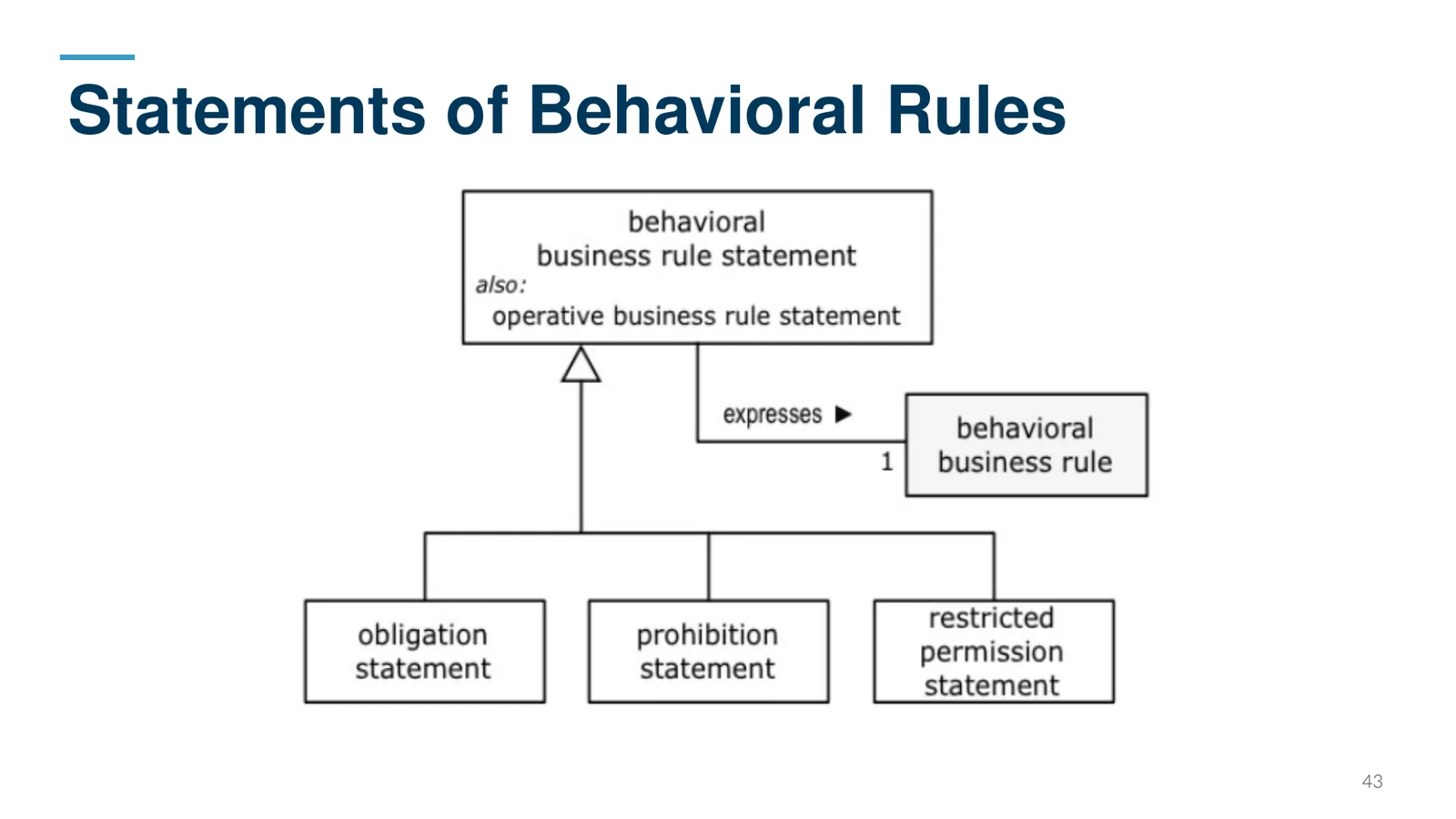
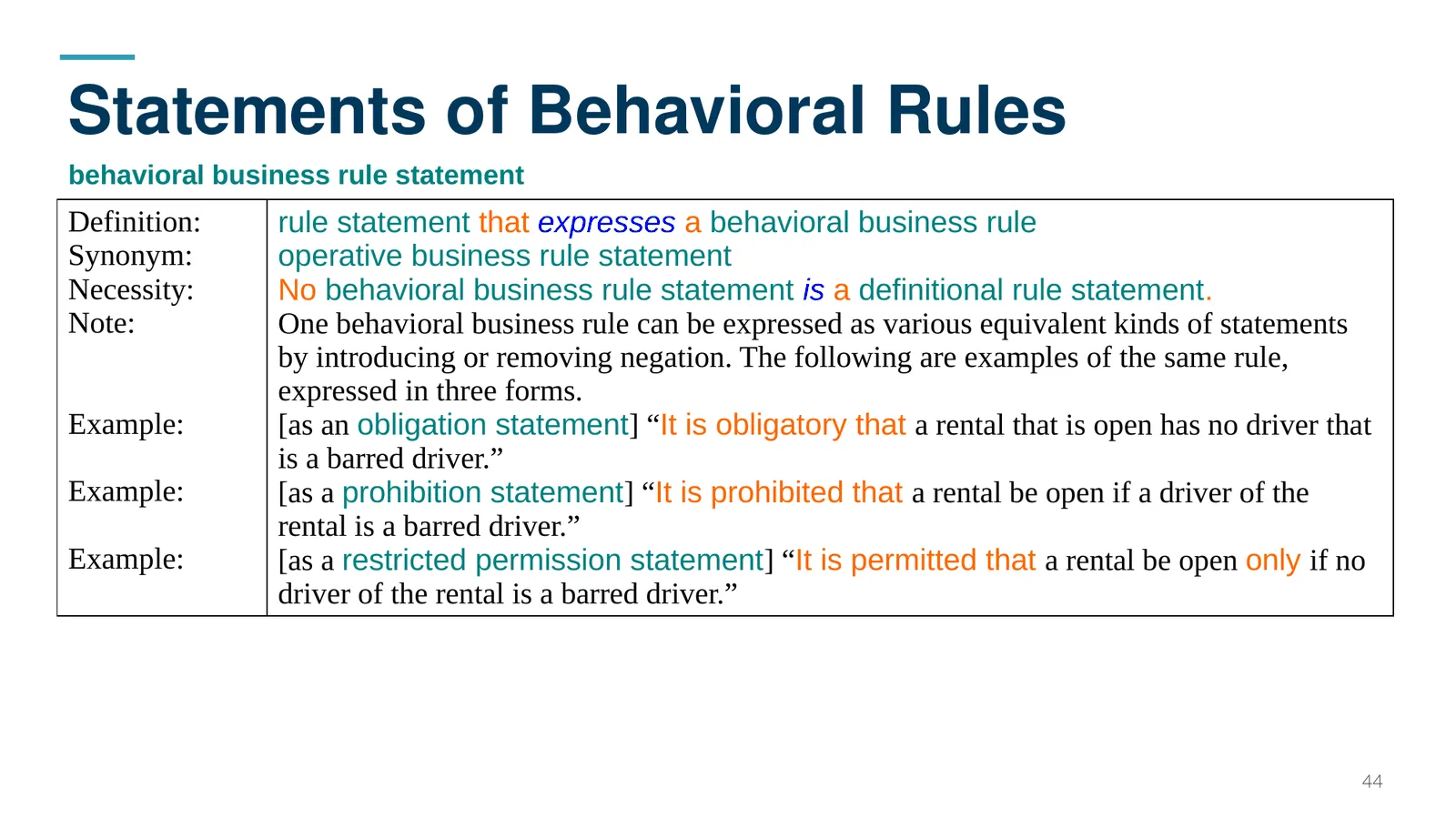
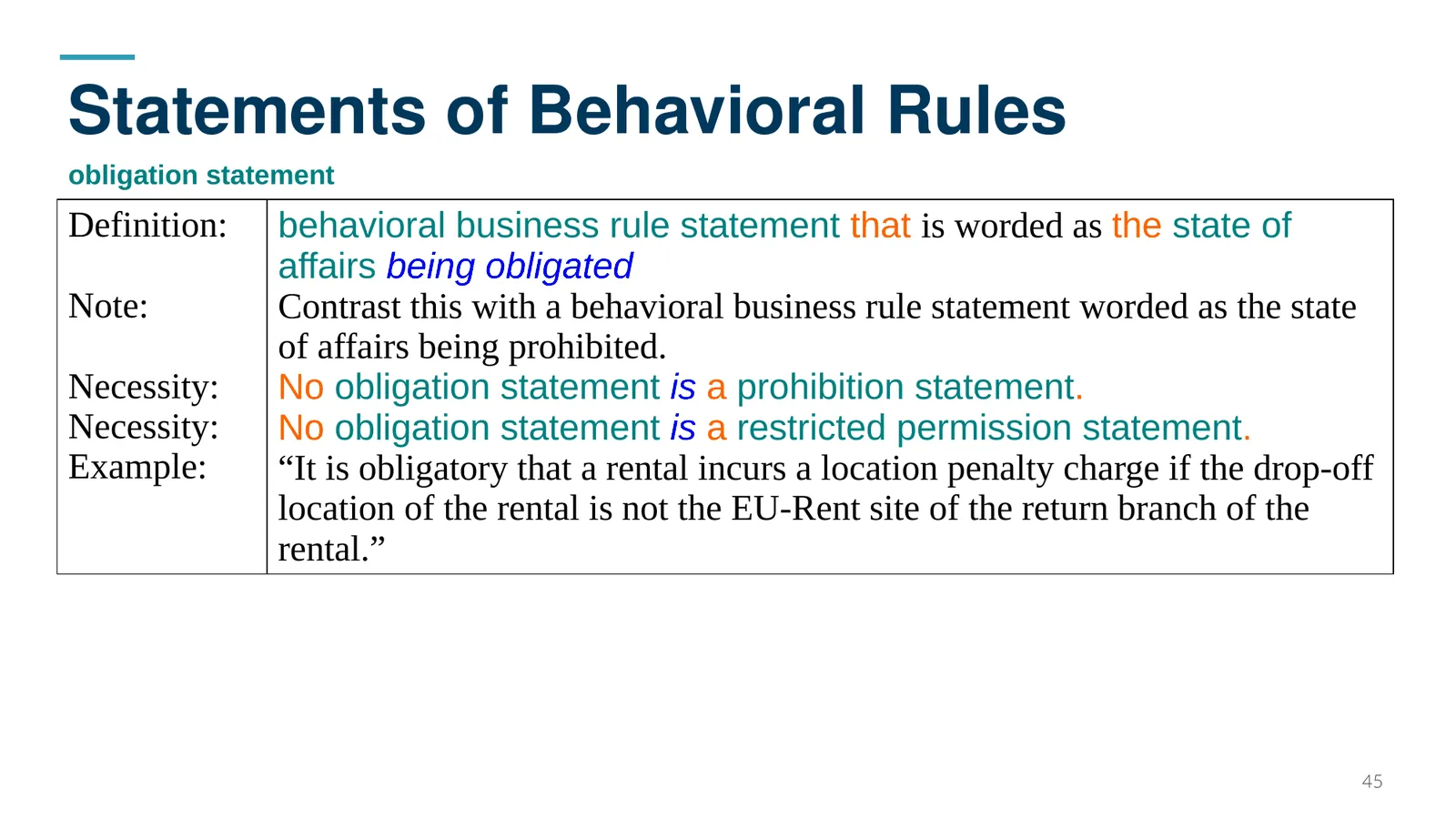
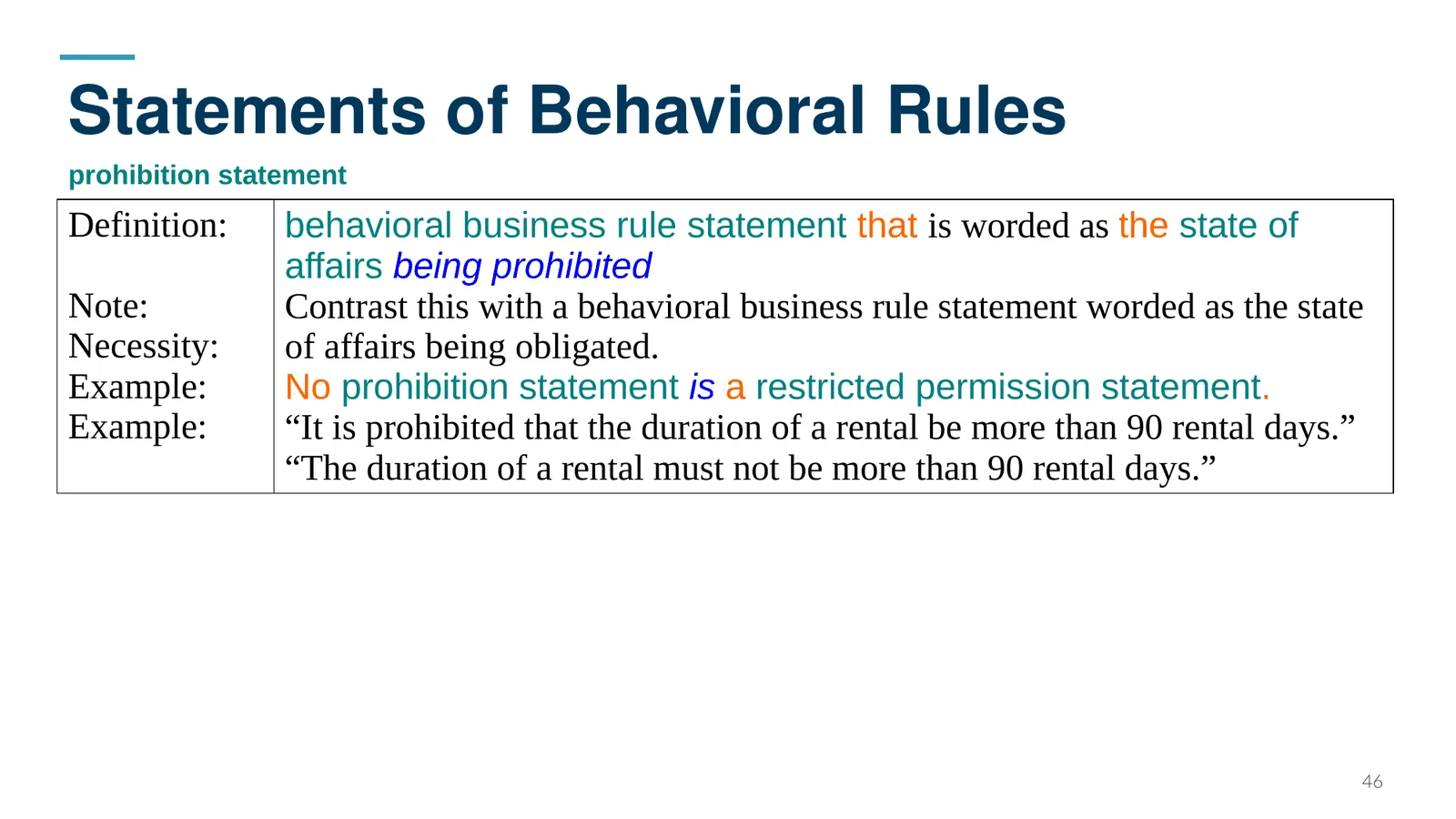
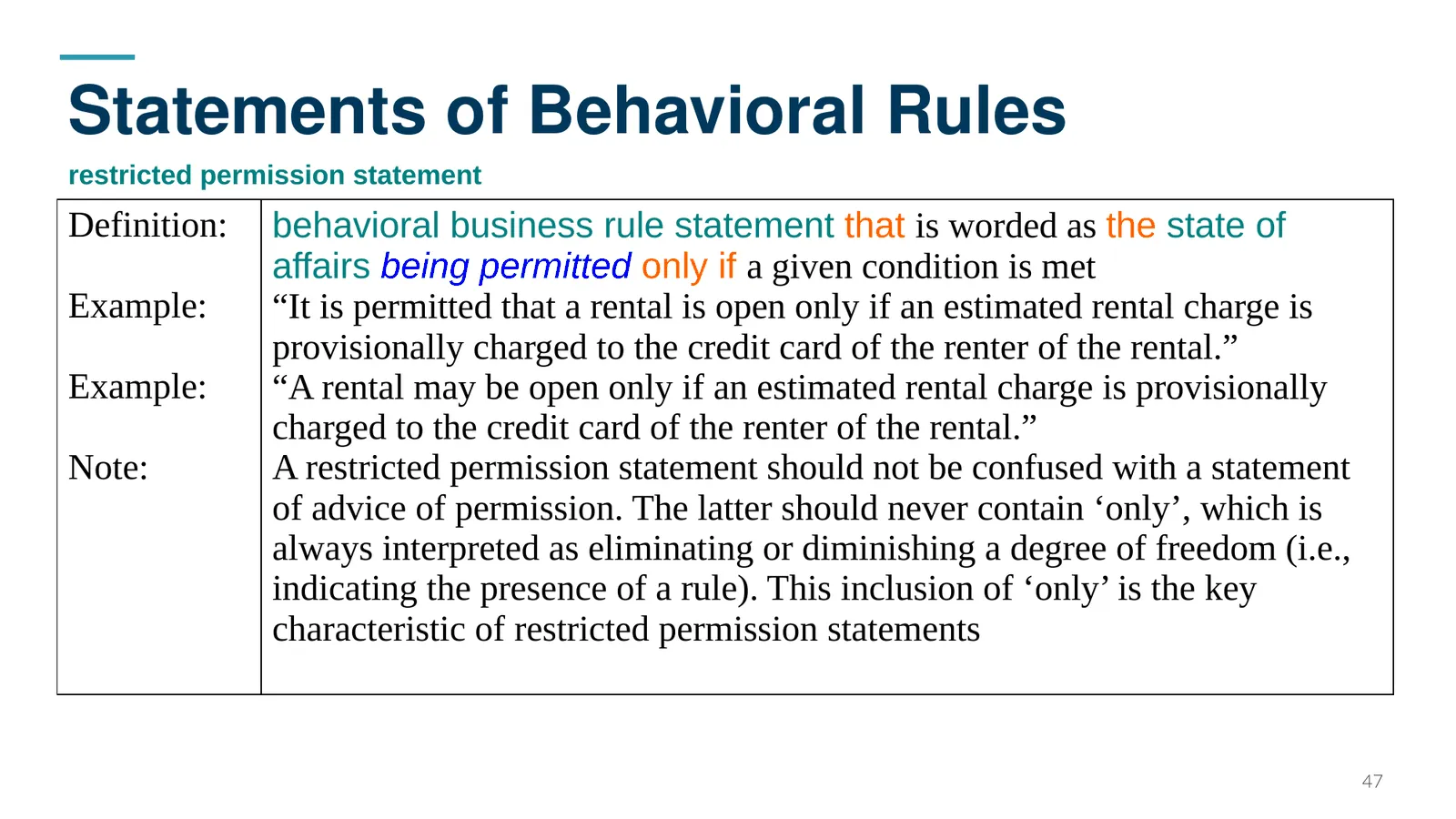
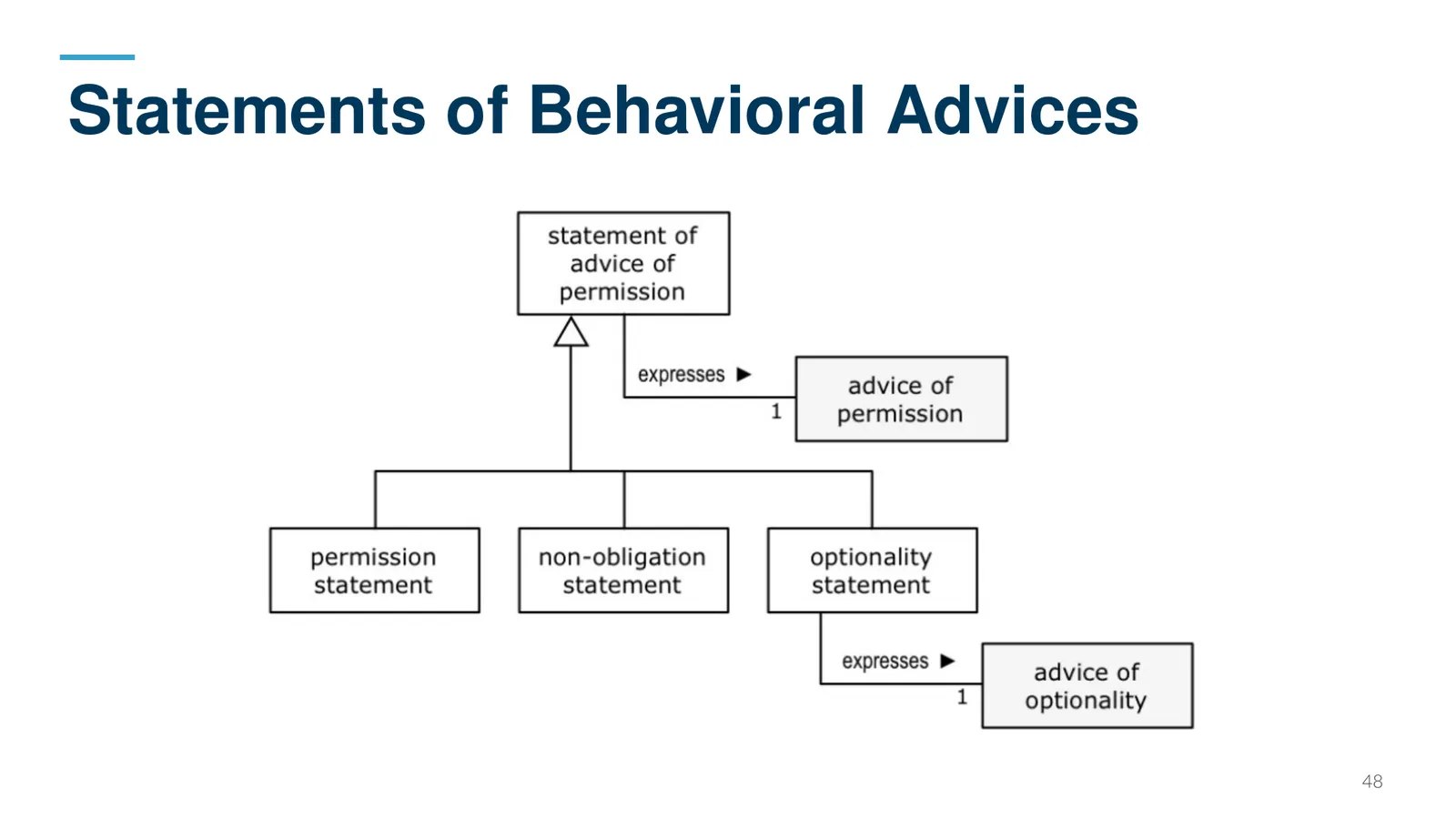
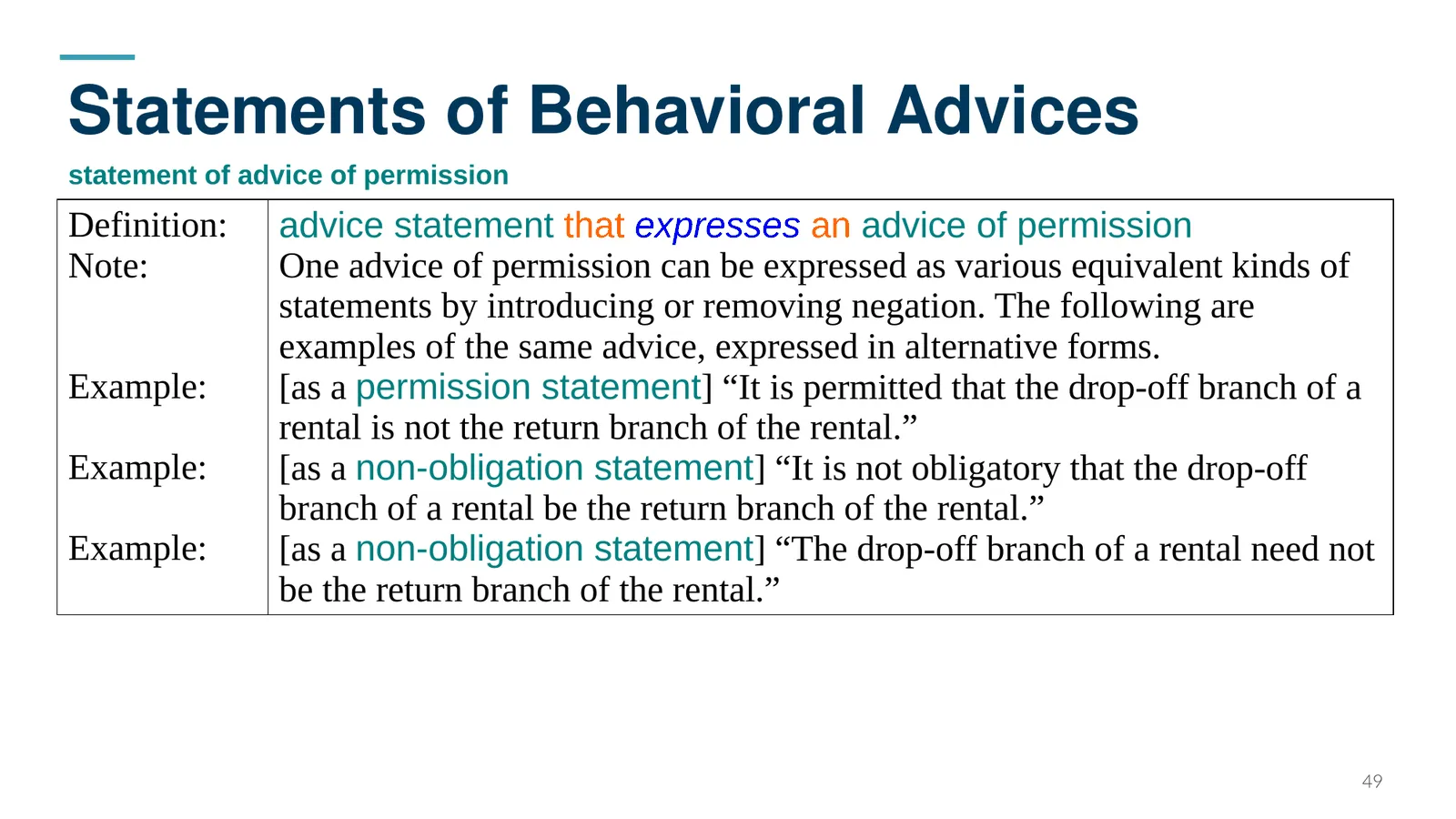
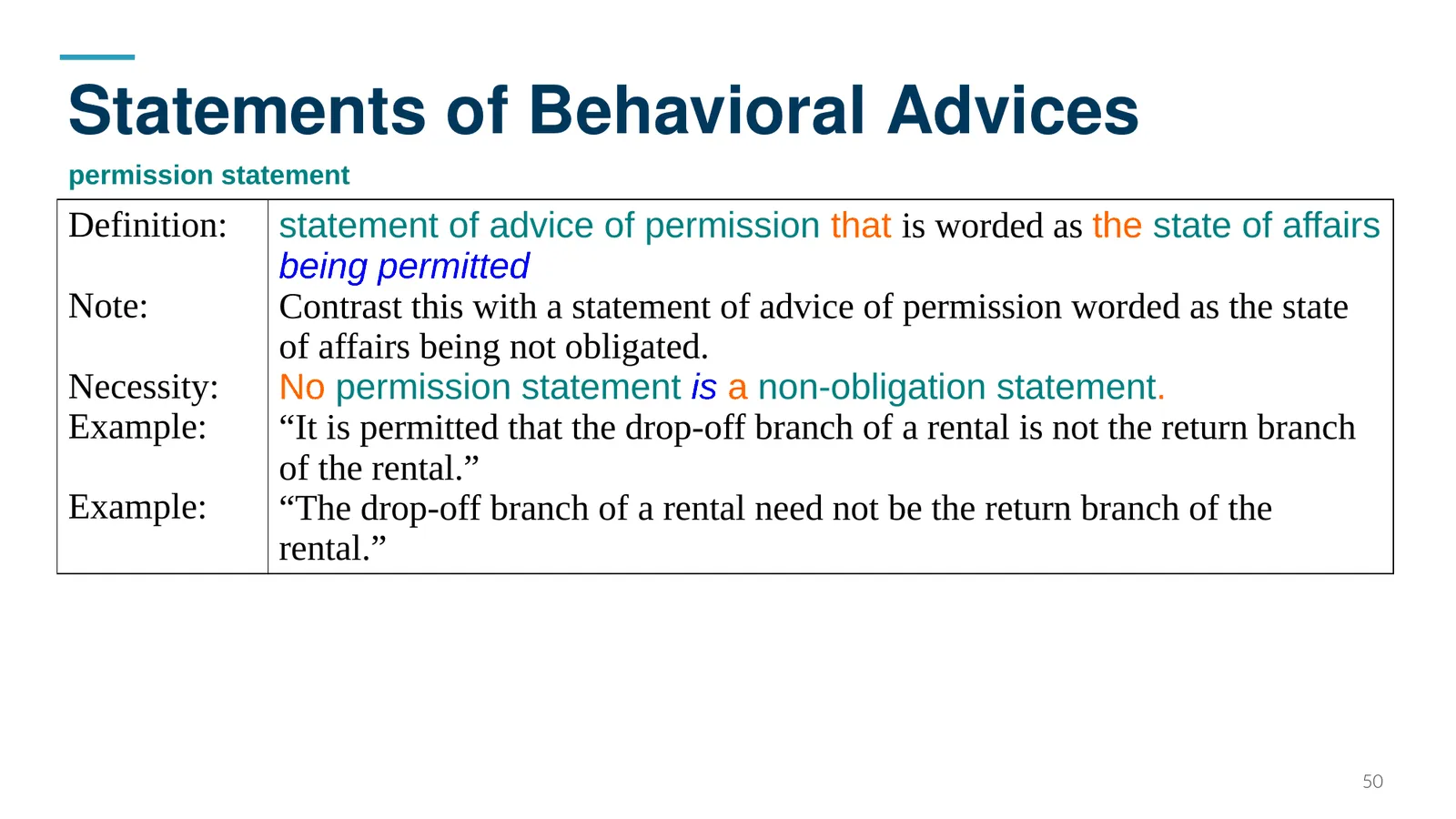
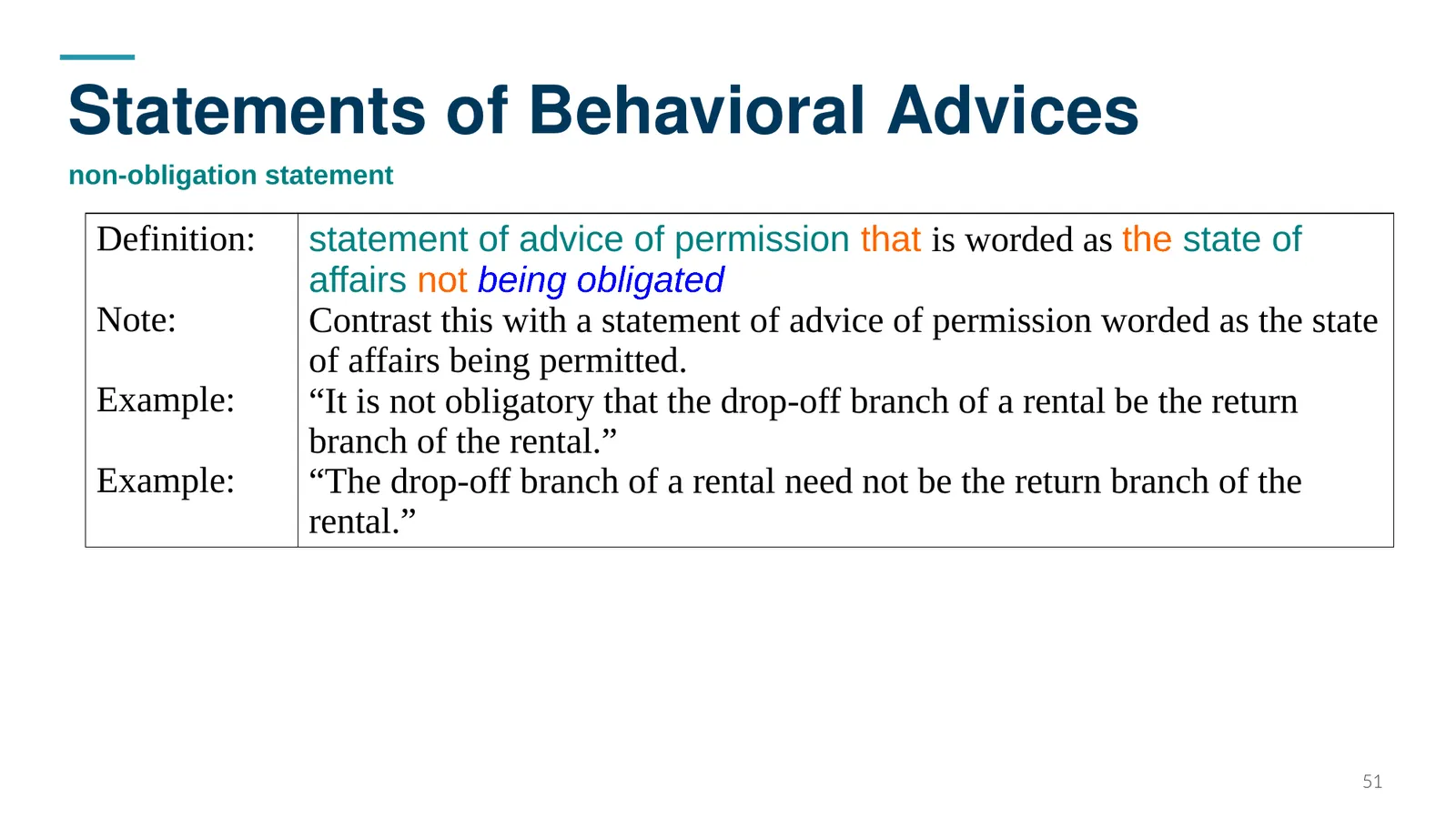
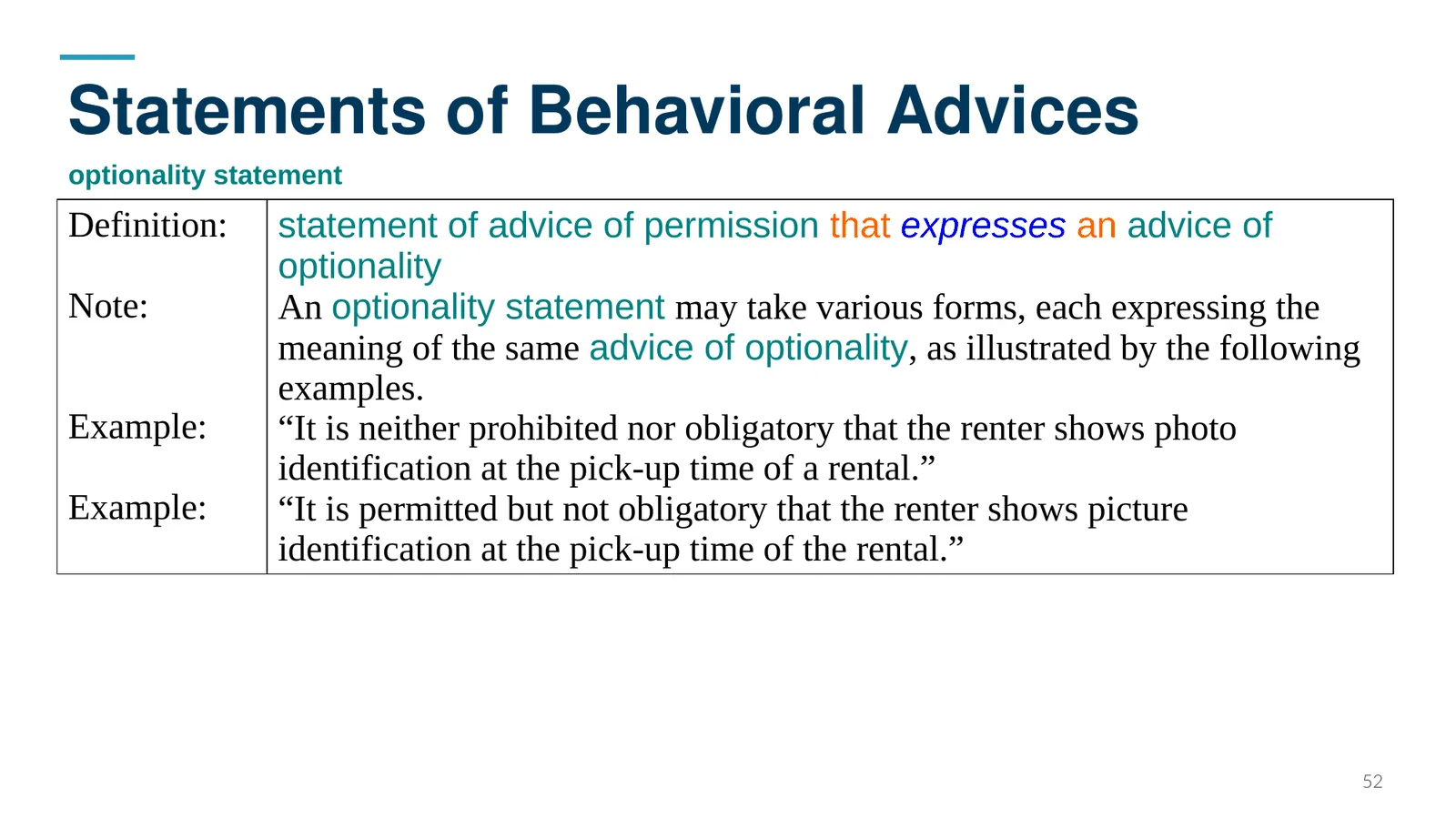
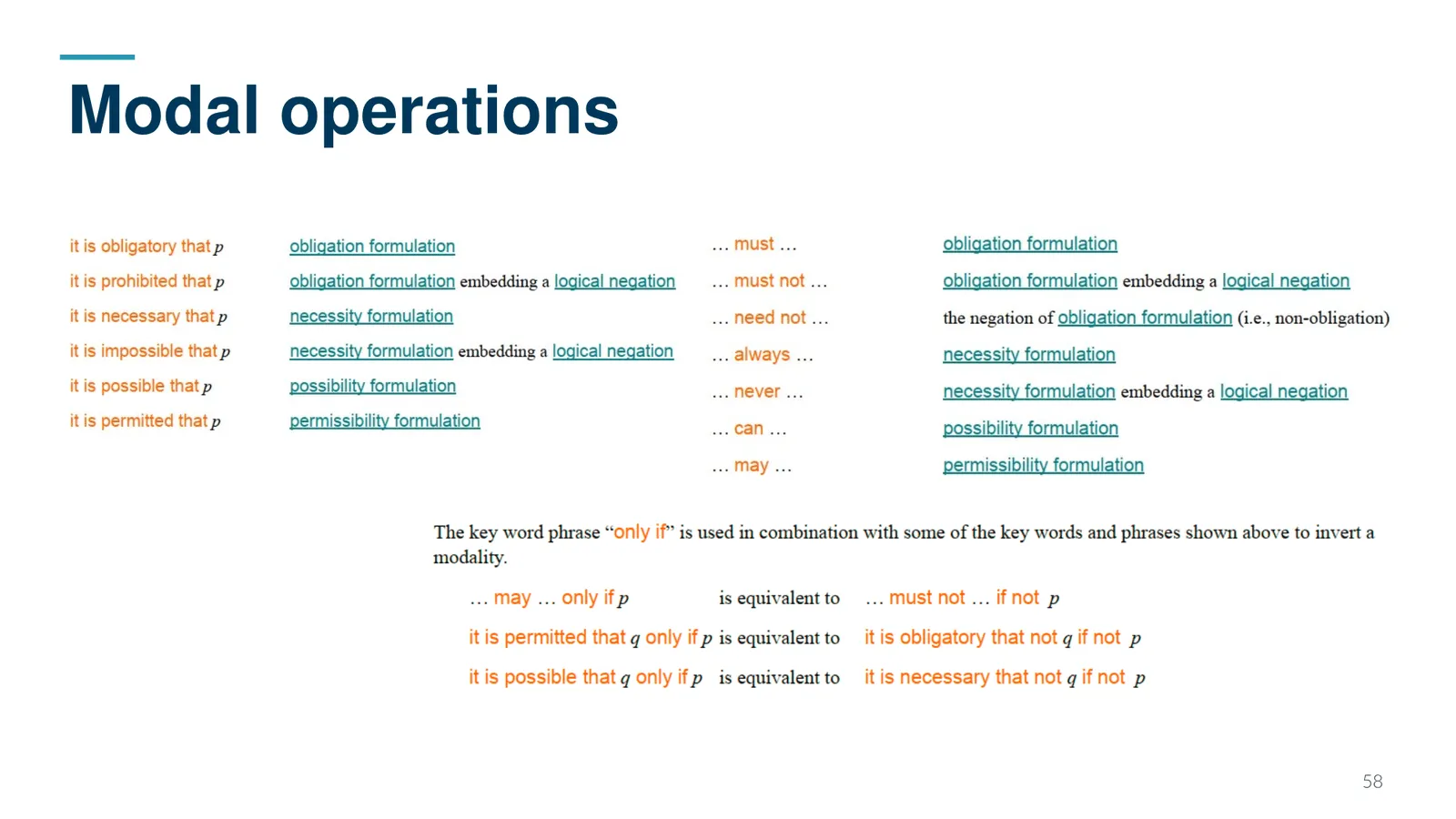
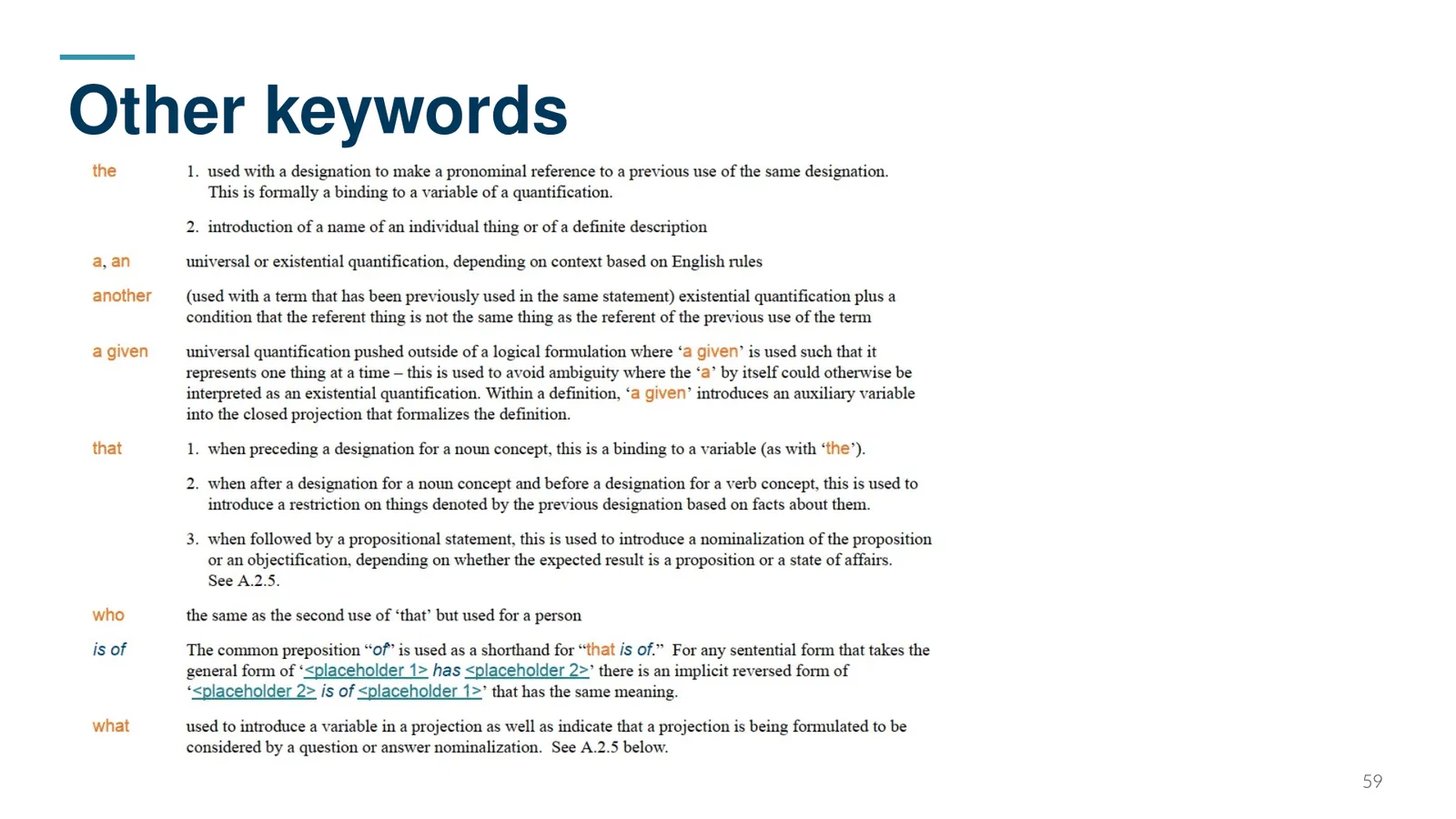
Specifications end up in natural language because it is the only medium the business side and the technical side share. The slide lists what that costs: ambiguity, pronouns whose referent is lost between sentences, and behaviour that happens over time written in a flat present tense — the point of the last one is temporal logic, the branch of logic that deals with statements qualified by time ("I am always hungry", "I will be hungry until I eat something").
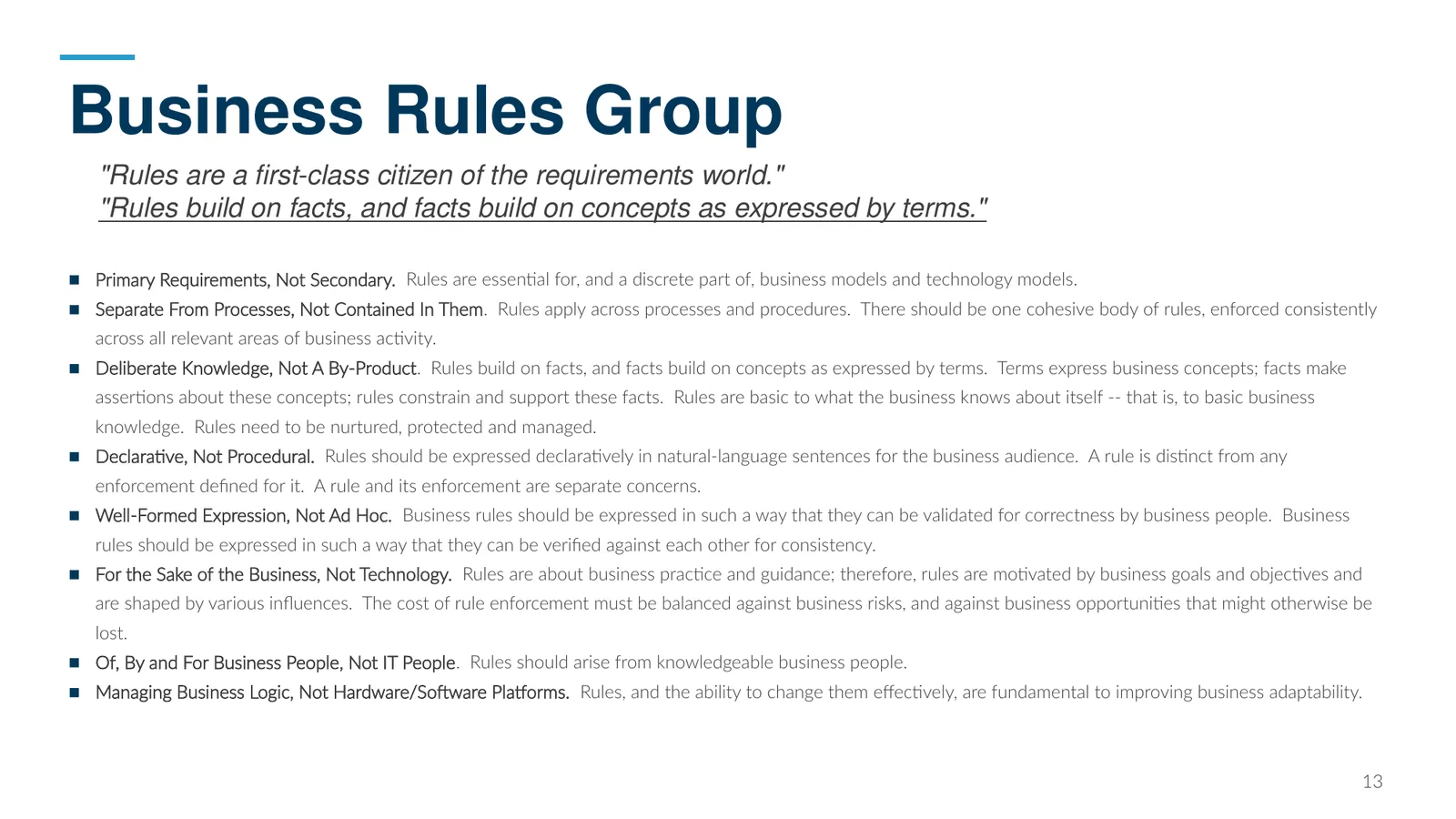
The principles on the slide are the Business Rules Manifesto — the Business Rules Group's 2003 statement of what a rule is and where it belongs.
Source: Business Rules Manifesto, Business Rules Group, 2003.
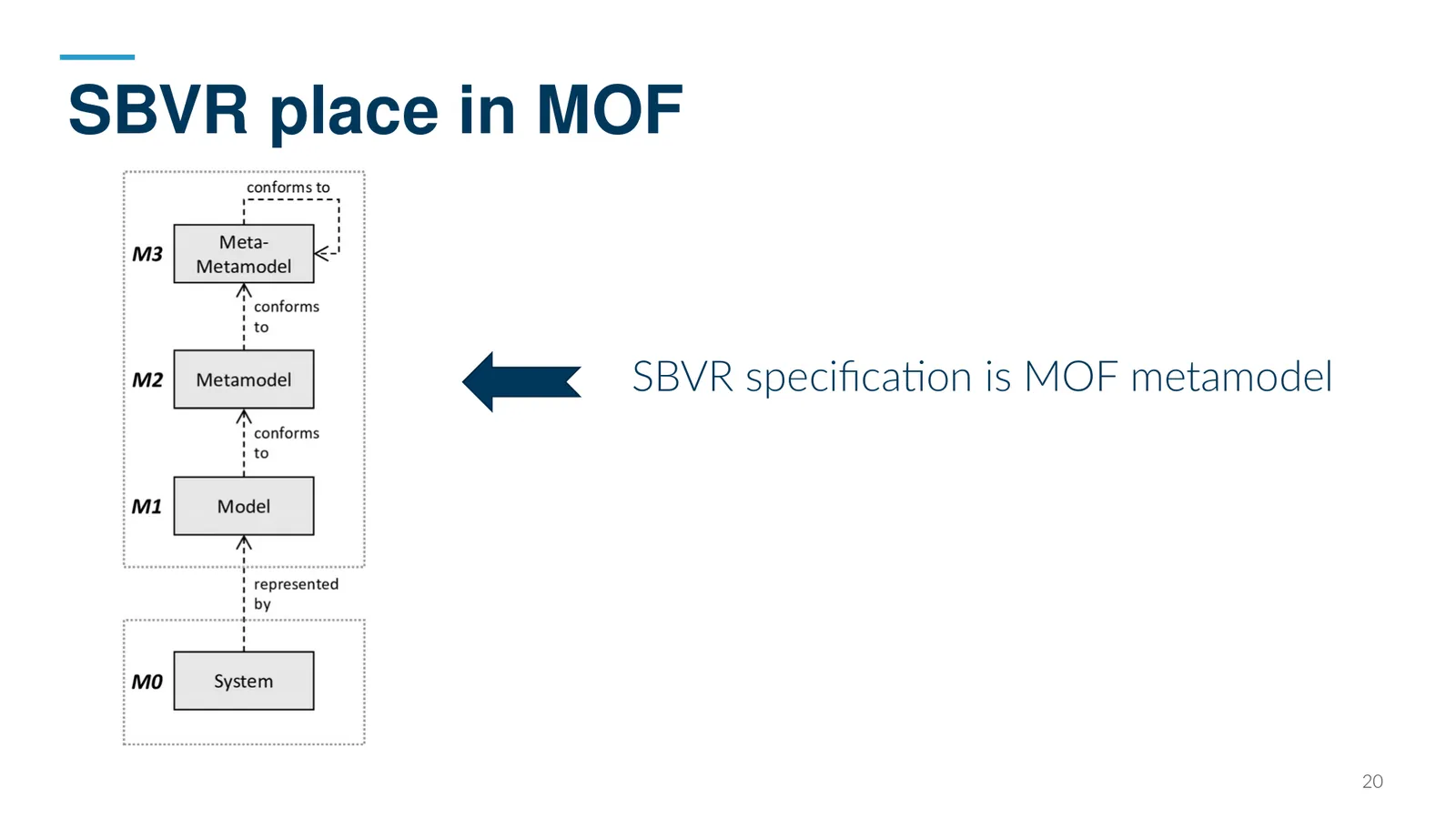
SBVR is the OMG standard the rest of the talk follows: every definition from here on is its definition, quoted rather than invented.
Source: Semantics of Business Vocabulary and Business Rules (SBVR), OMG.
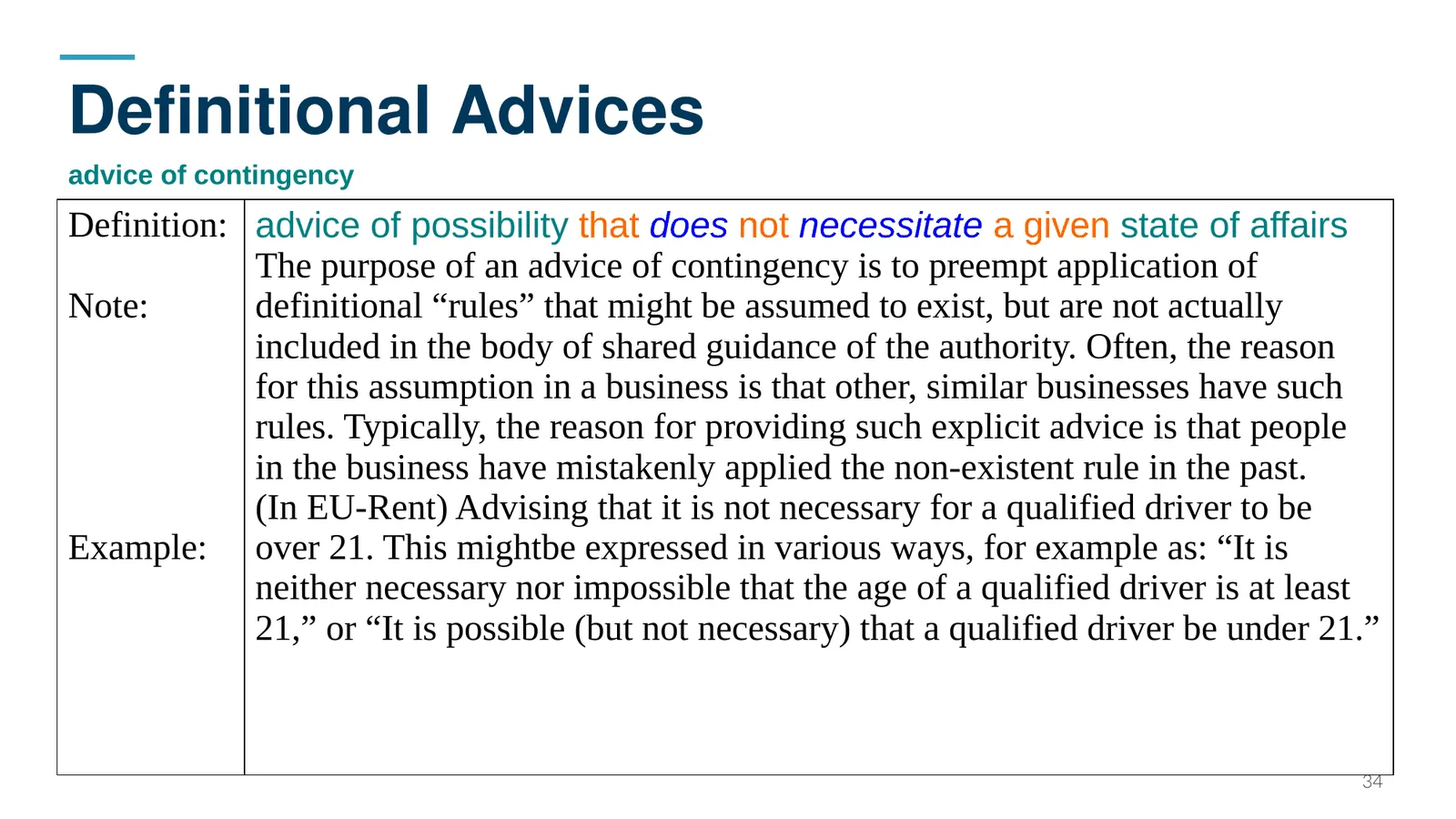
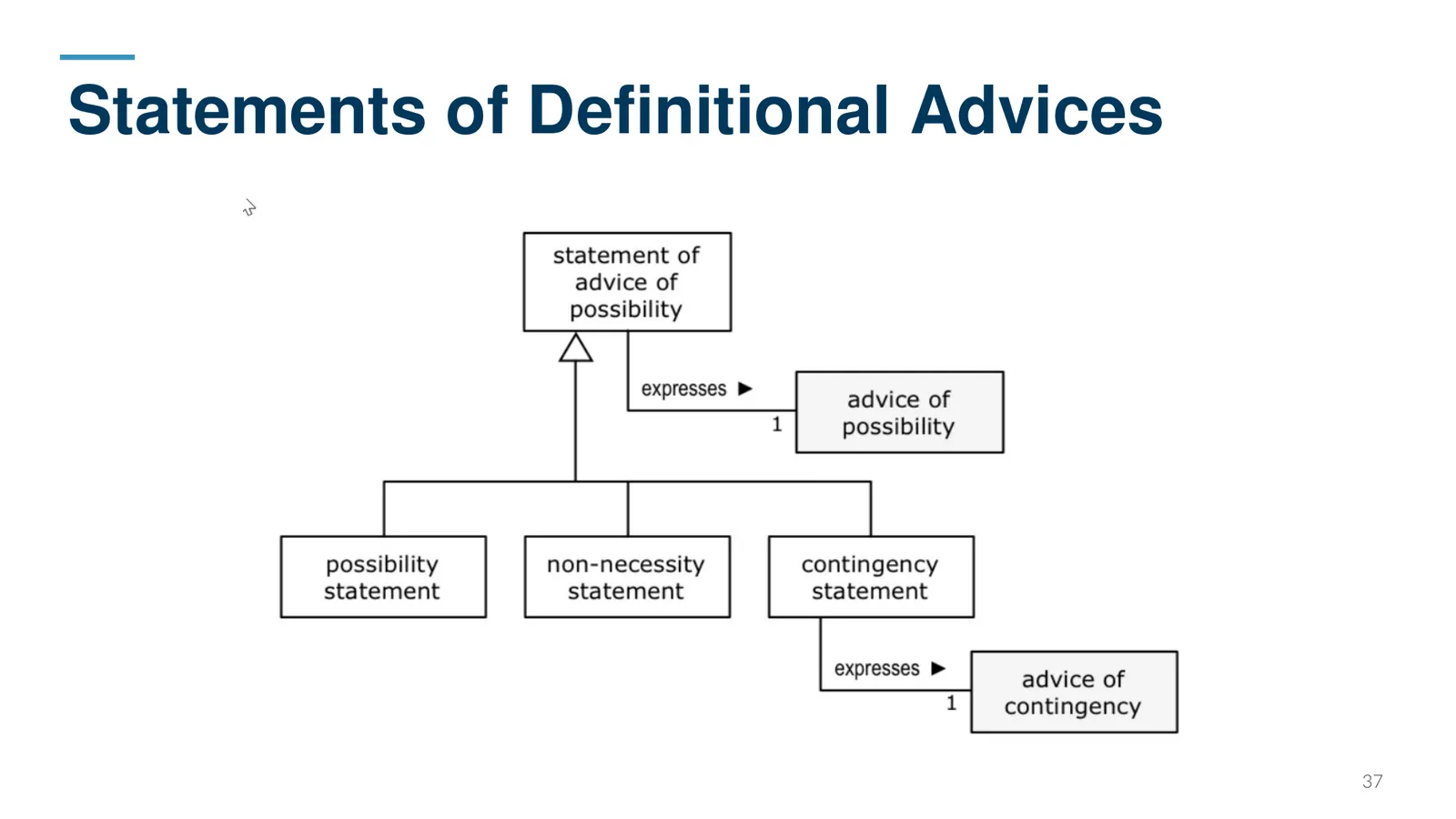
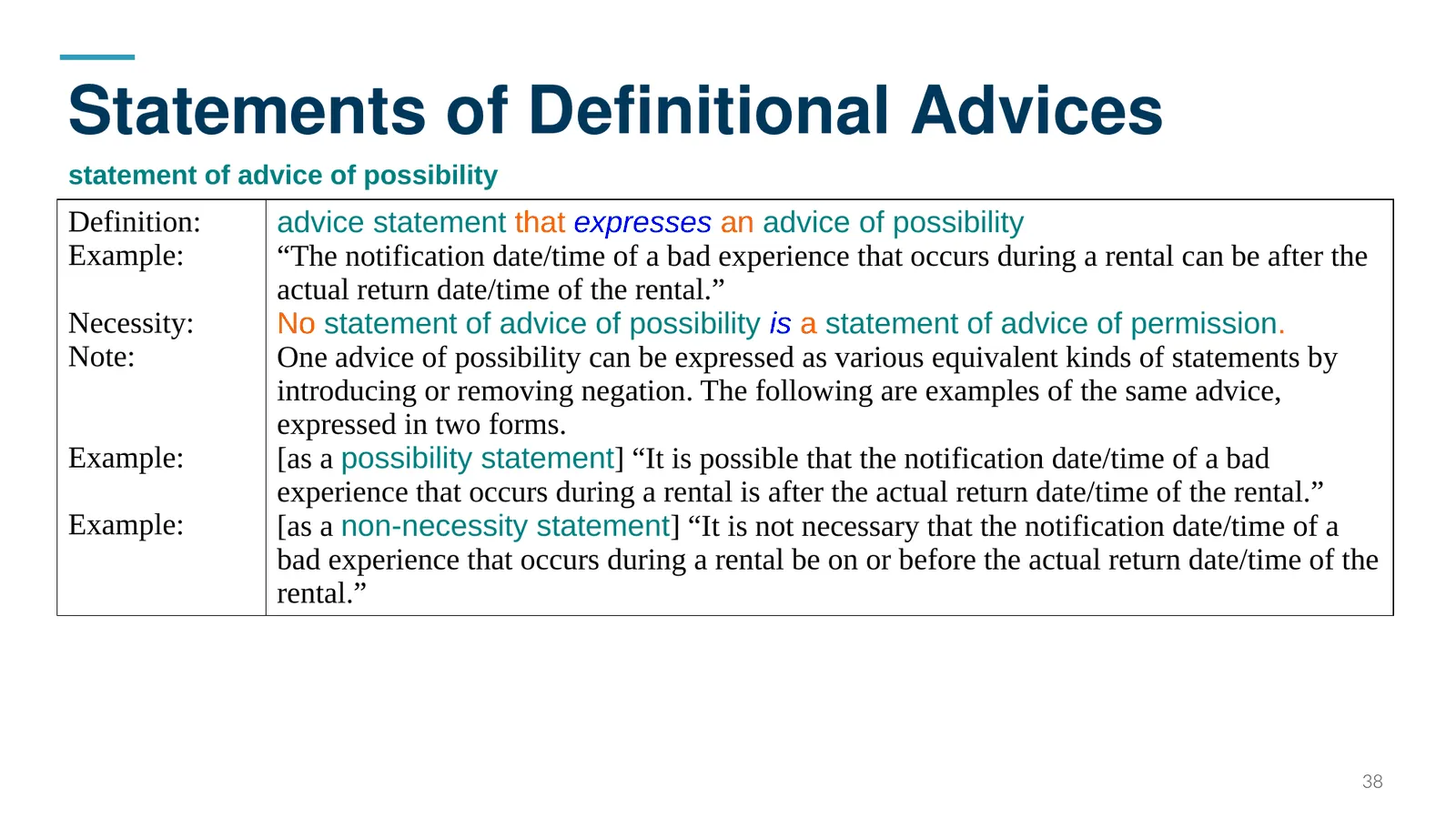
In alethic logic, a proposition that is possible but not necessary is termed ‘contingent’. If people in a business were to treat it as a definitional rule, they would miscategorize things in the real world. This typically leads to refusal of activity (that should be permitted) because unnecessary preconditions are not met, e.g., refusing to accept a rental booking because the person wishing to rent is under 21.
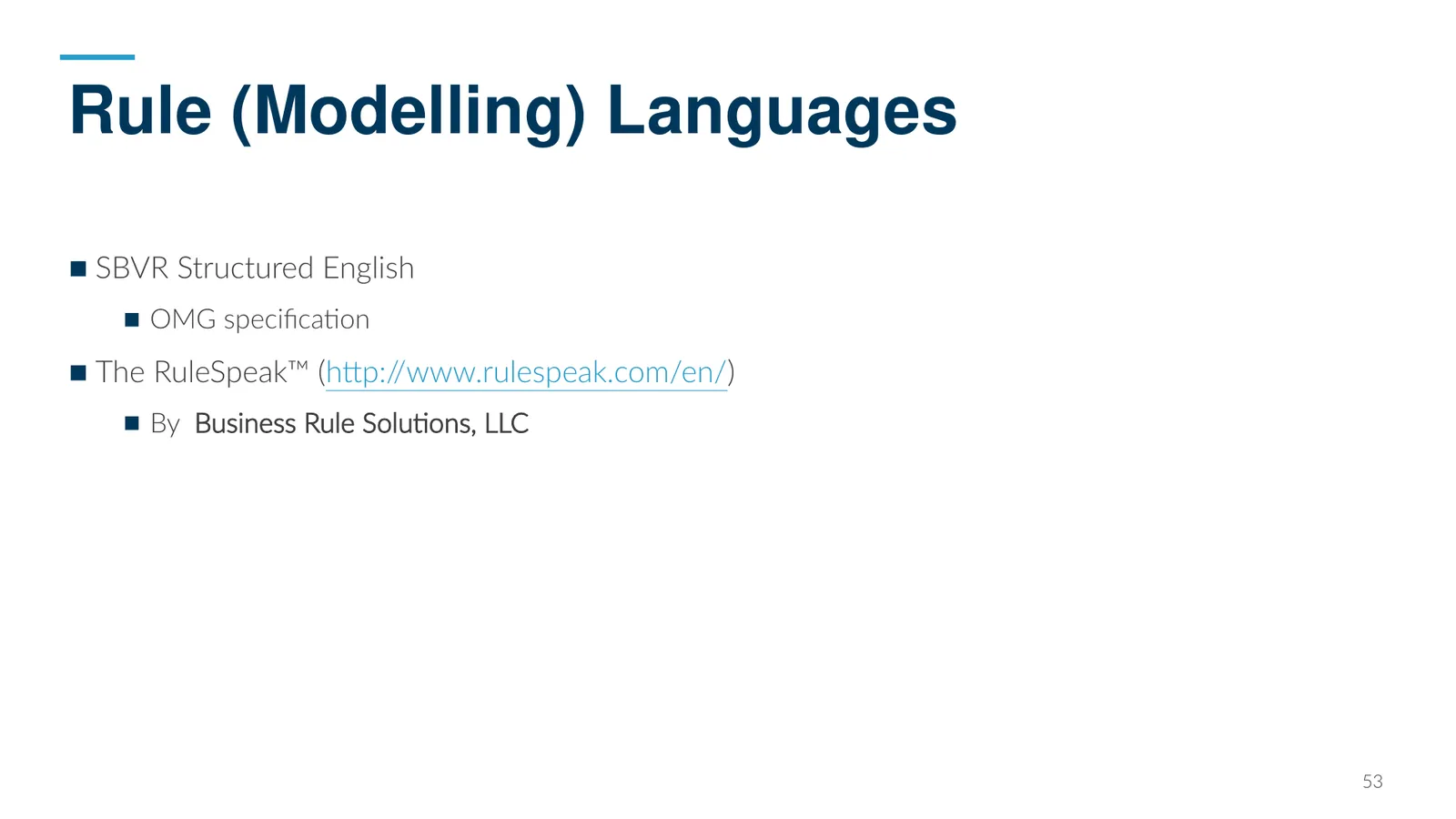
Sources: SBVR, OMG and RuleSpeak, Business Rule Solutions.